
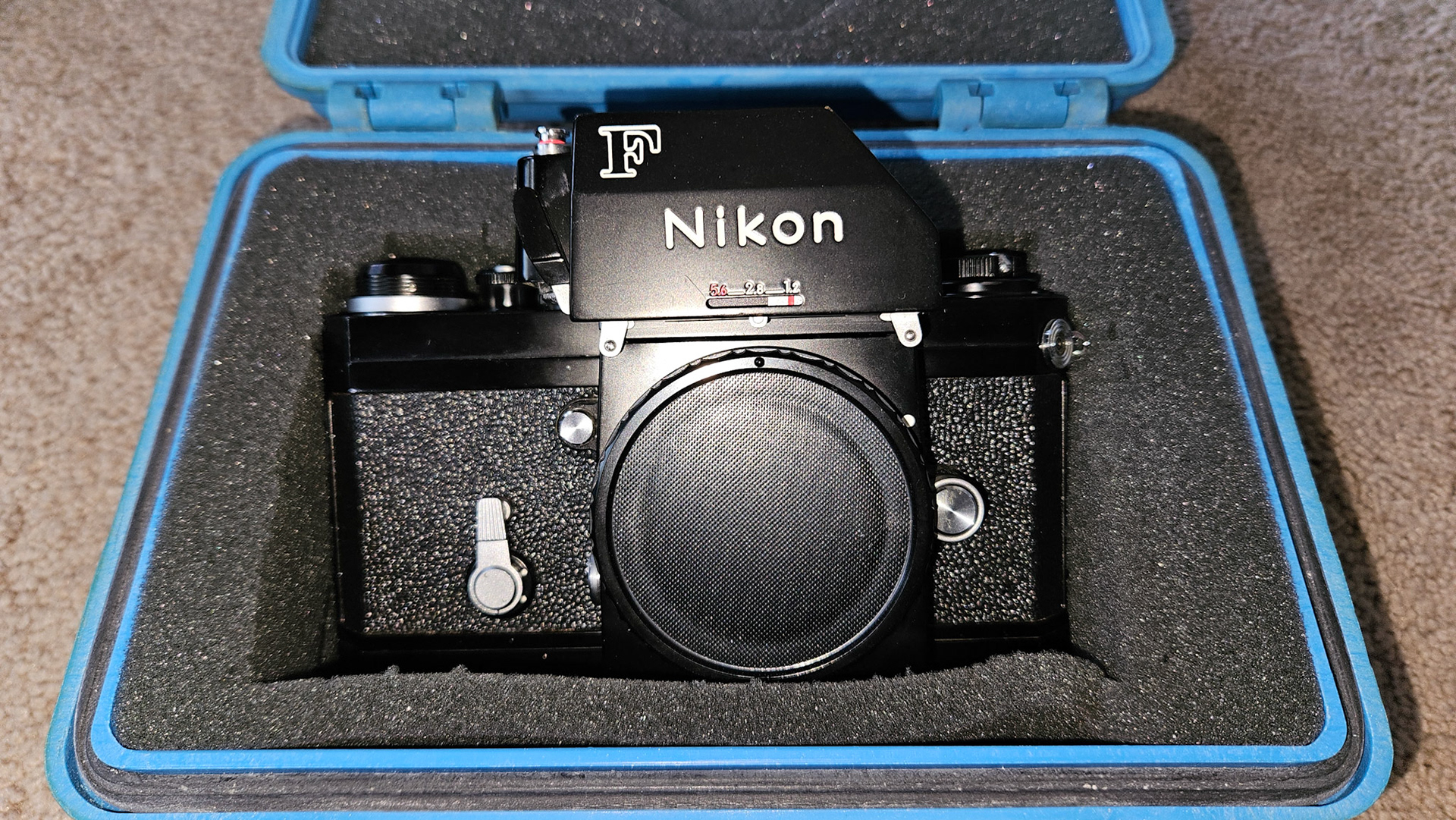
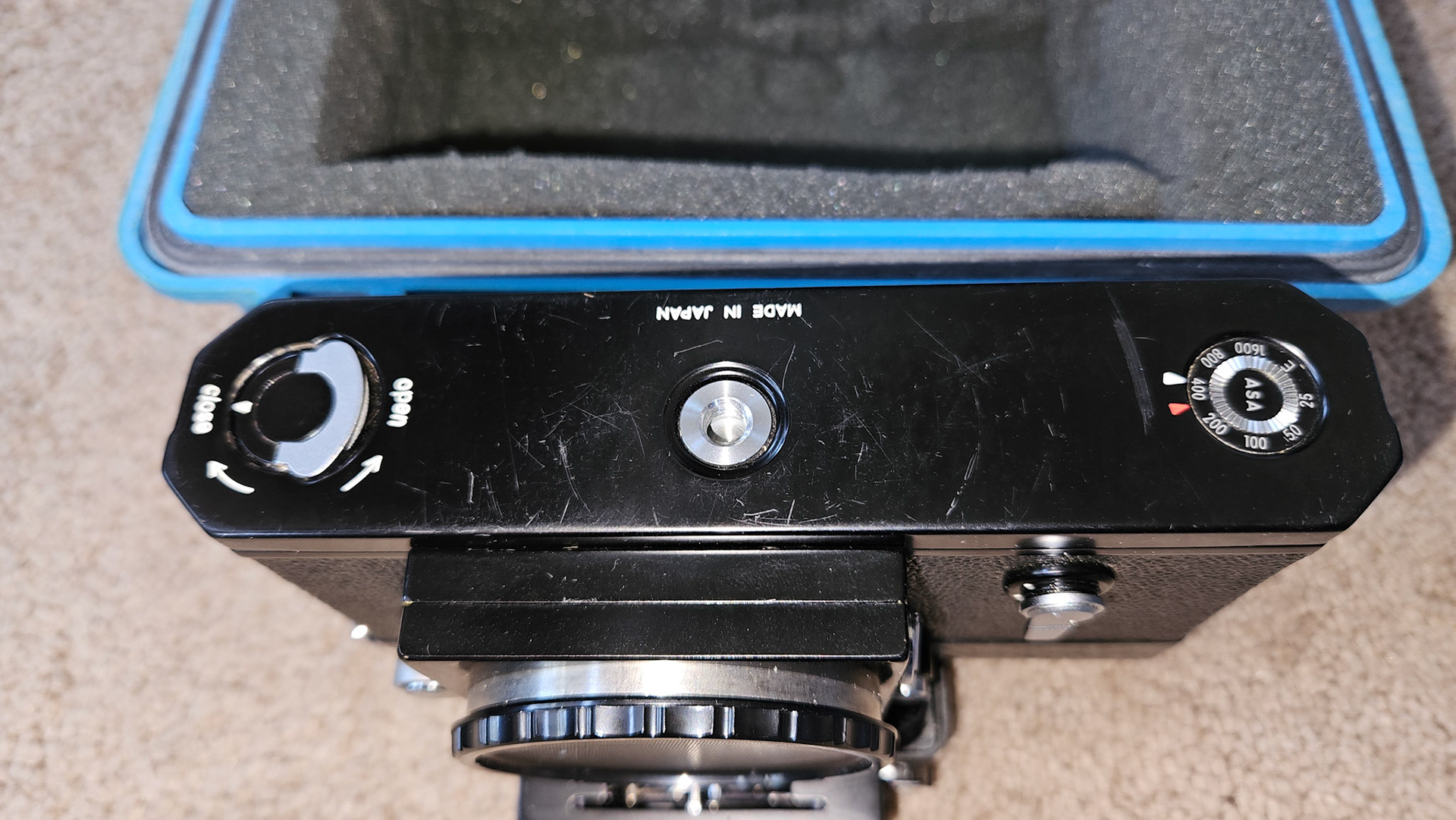
NIkon F
The Nikon F is a 35 mm, fully mechanical SLR film camera using the Nikon F bayonet mount and standard 24×36 mm image size on 35 mm film. It was produced from 1959 to 1973 and established the F‑mount system still used (in updated form) on modern Nikon cameras.

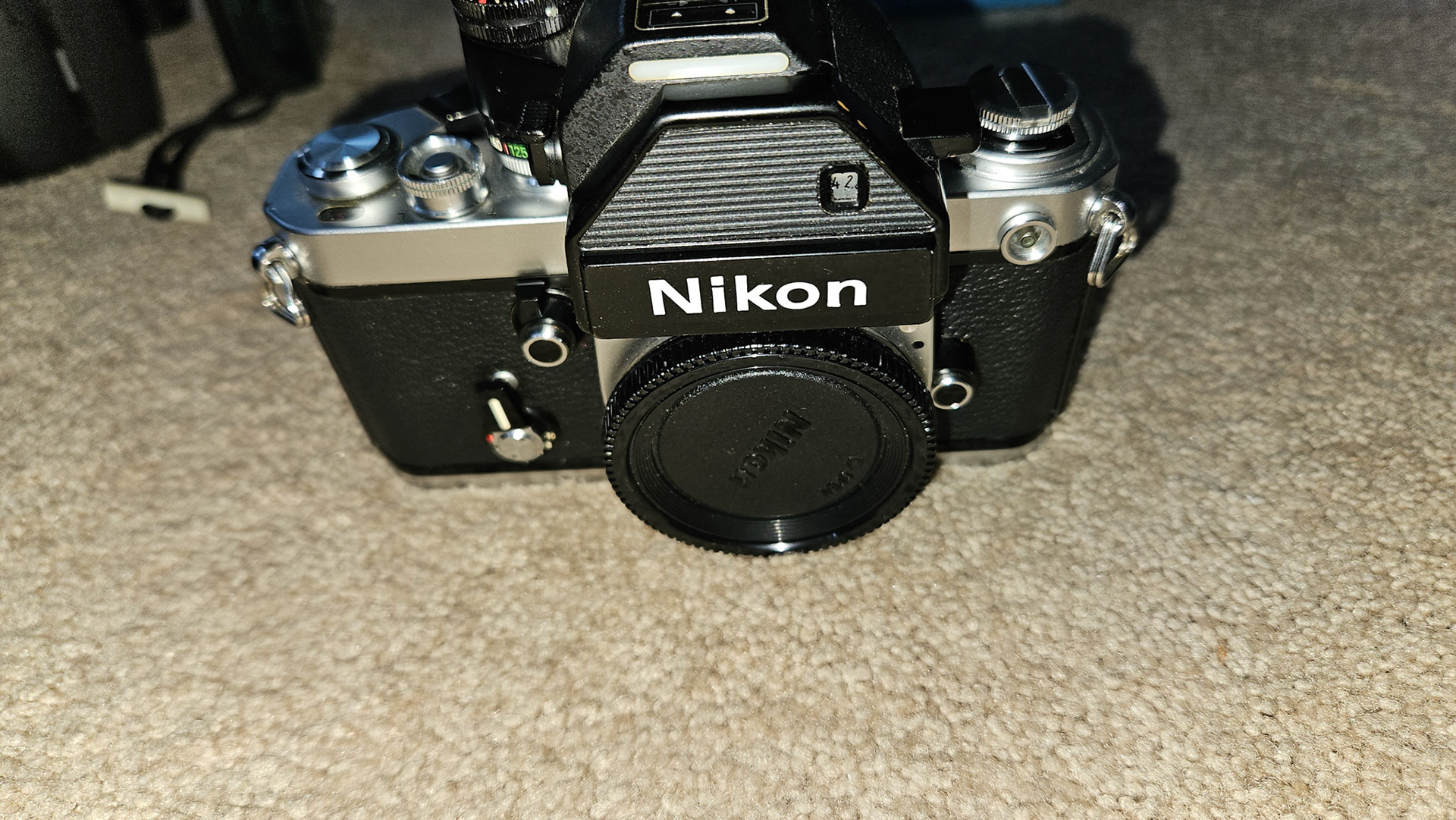
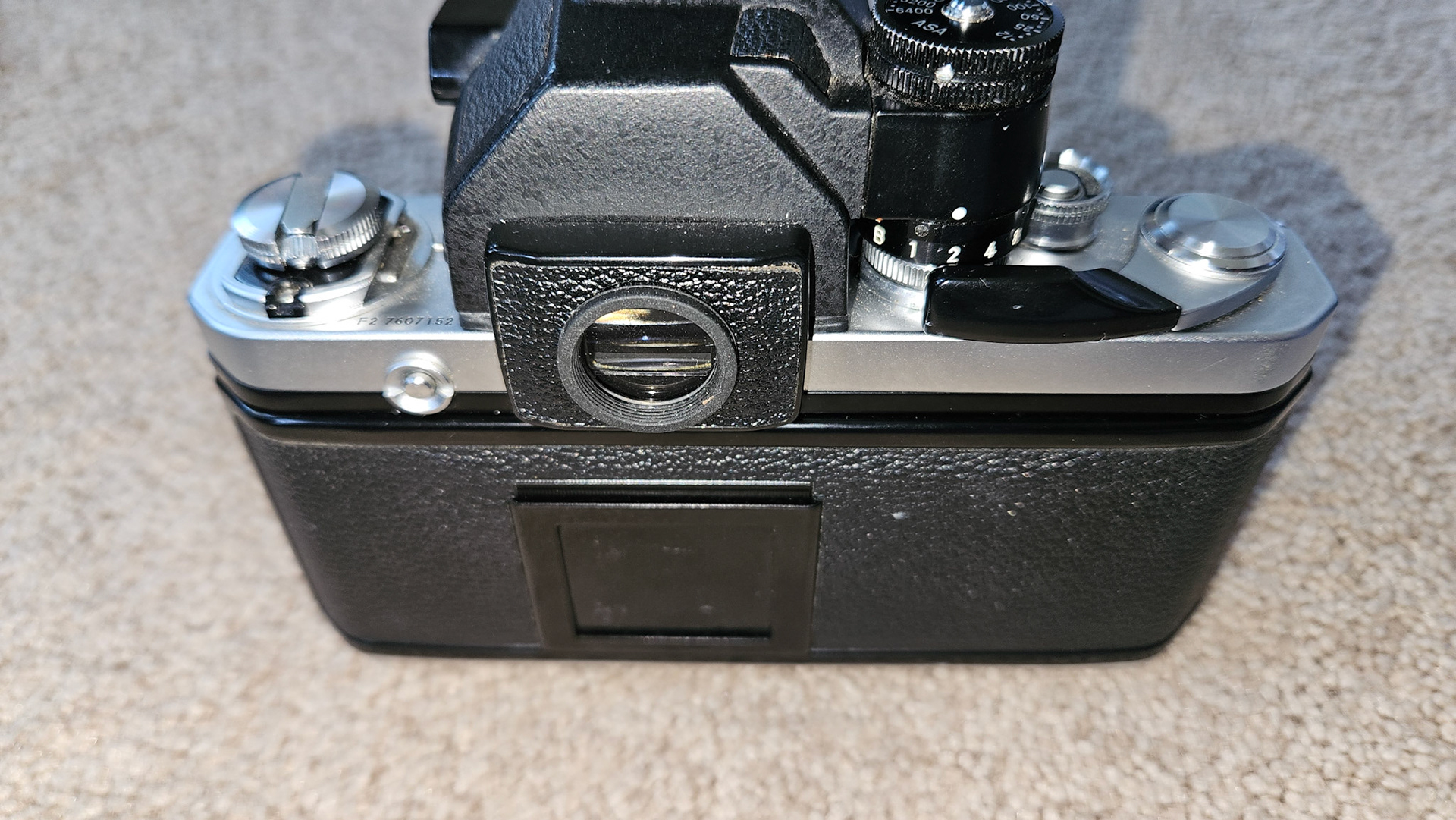
NIkon F2
The Nikon F2 is a fully mechanical 35 mm SLR film camera that succeeded the Nikon F, with a faster shutter, improved ergonomics, and expanded finder options compared with its predecessor. It was Nikon’s professional flagship from the early 1970s and is widely regarded as one of the most durable mechanical SLRs ever made
Nikon F3
The Nikon F3 is a professional 35 mm SLR film camera with an electronic shutter, Nikon F bayonet mount, and aperture‑priority auto exposure plus full manual control. It was Nikon’s flagship from 1980 into the late 1990s and is one of the longest‑produced pro film bodies.
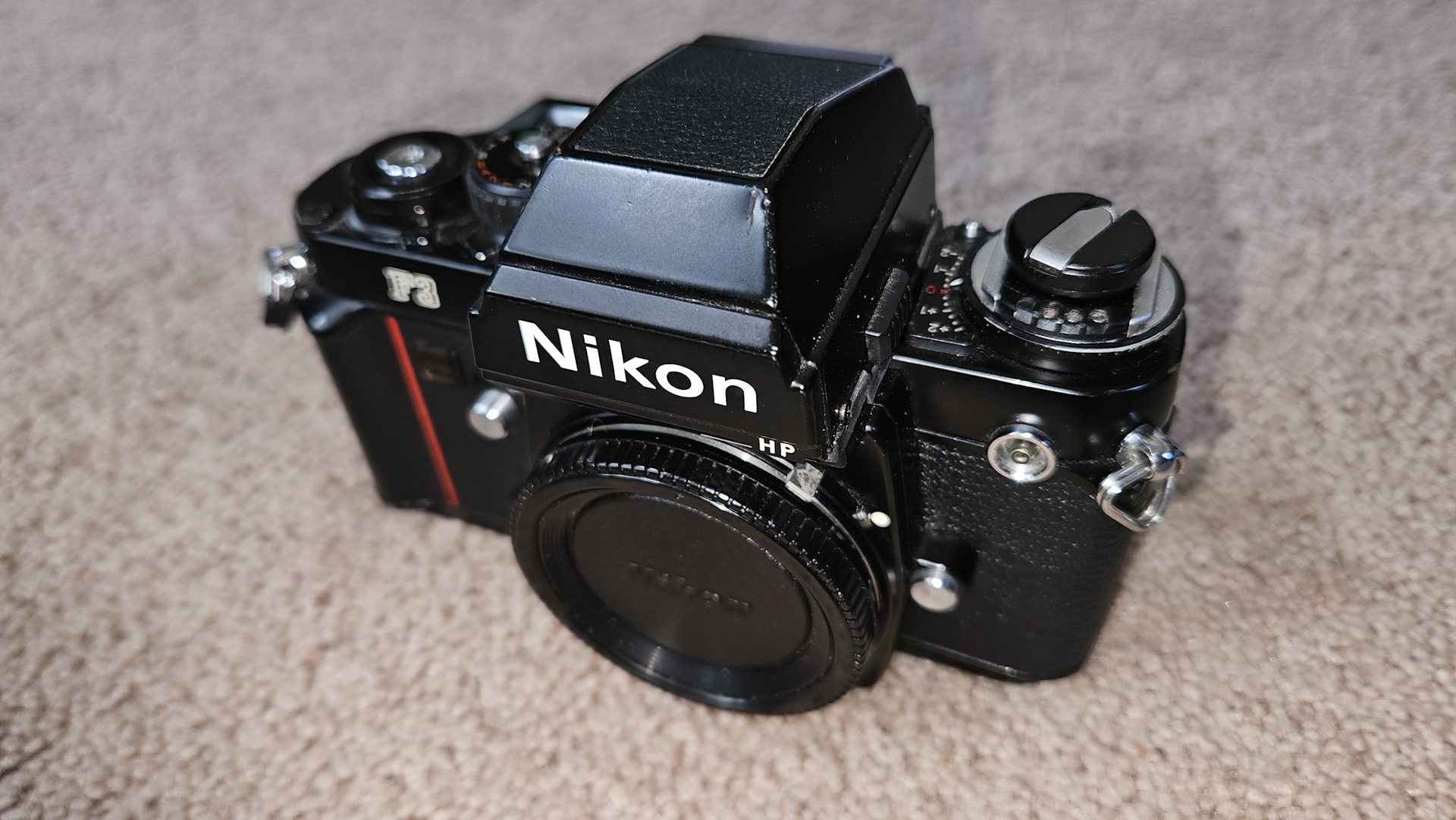
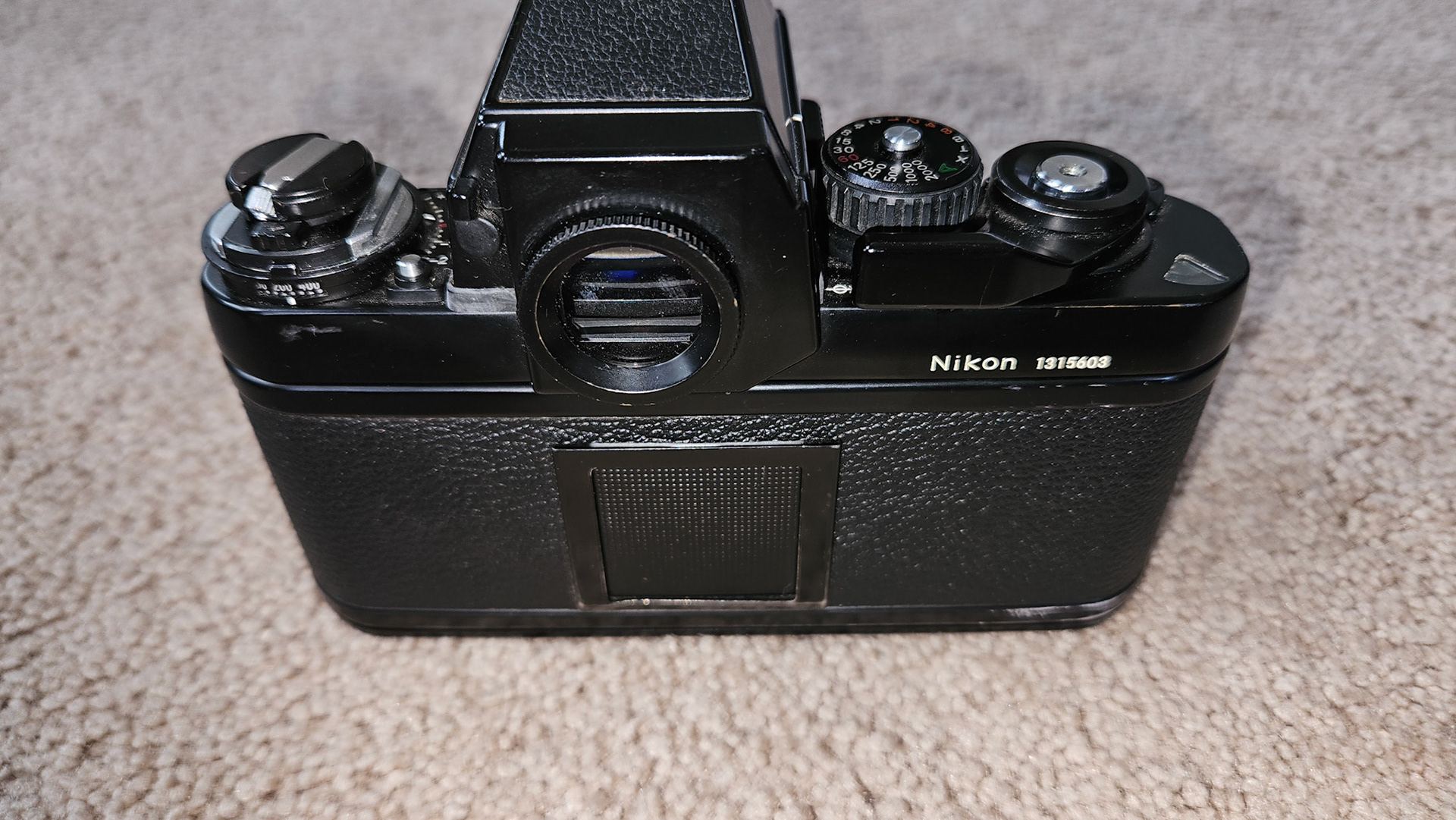
Nikon F3 With CASE
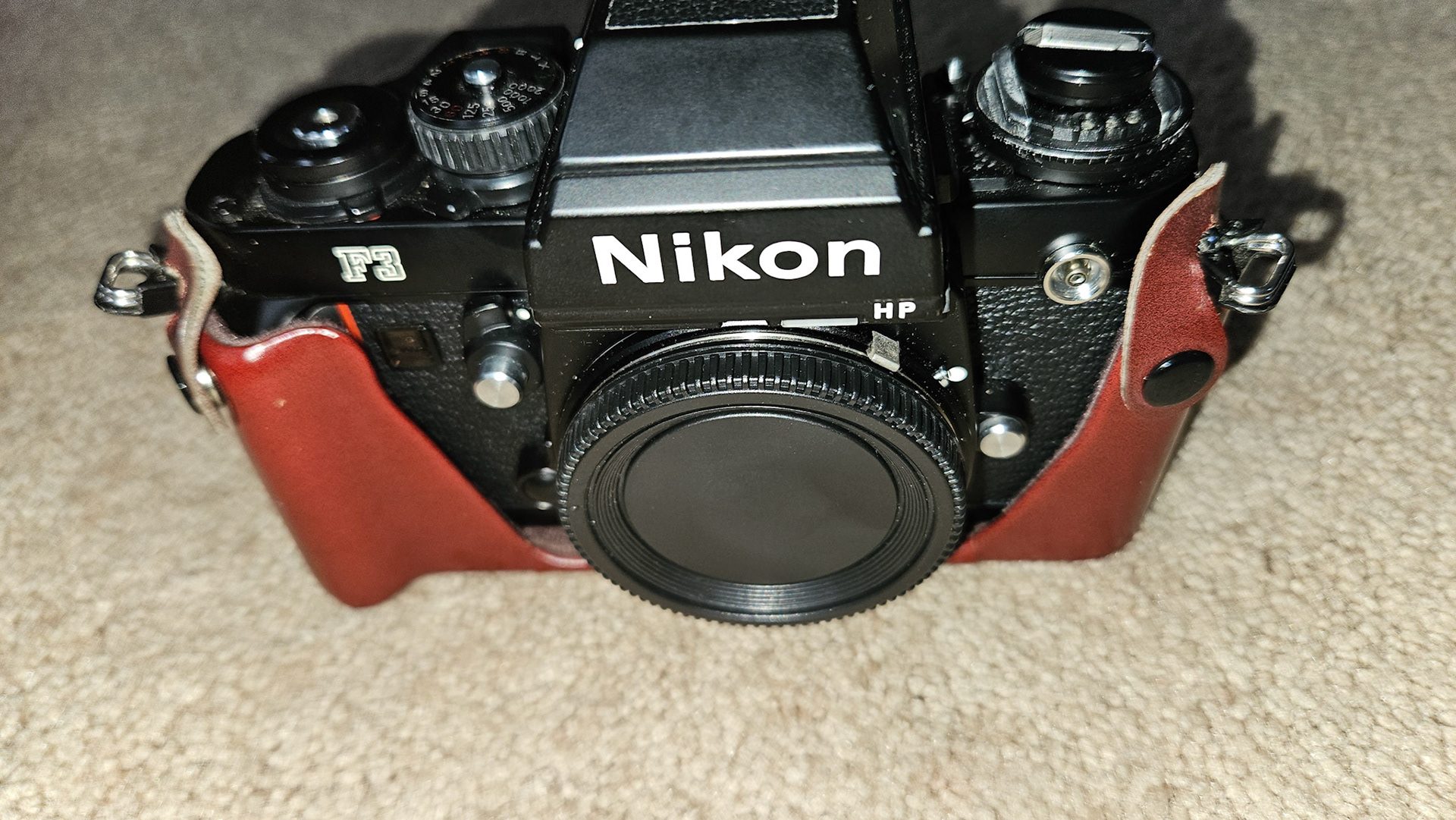
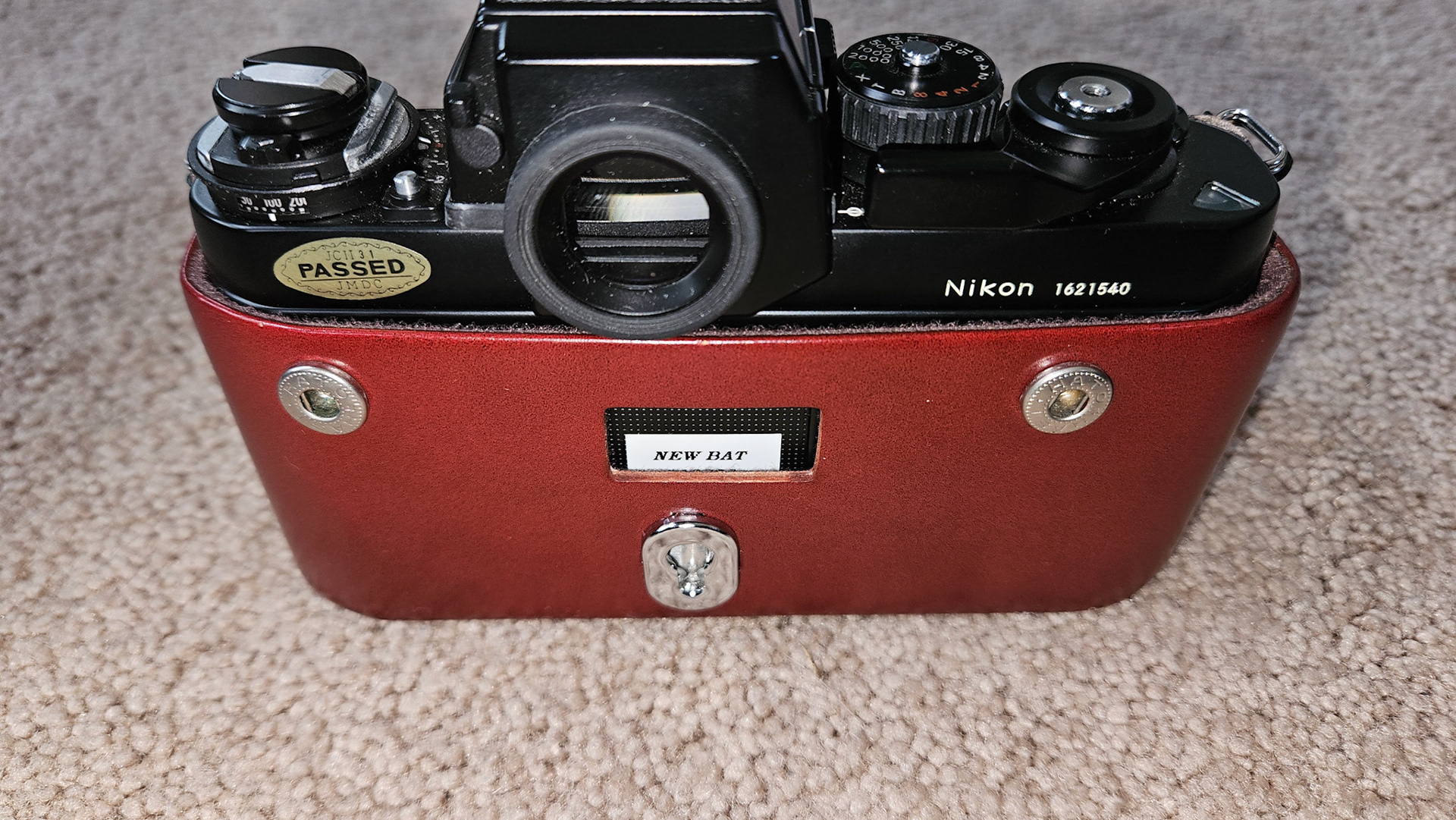
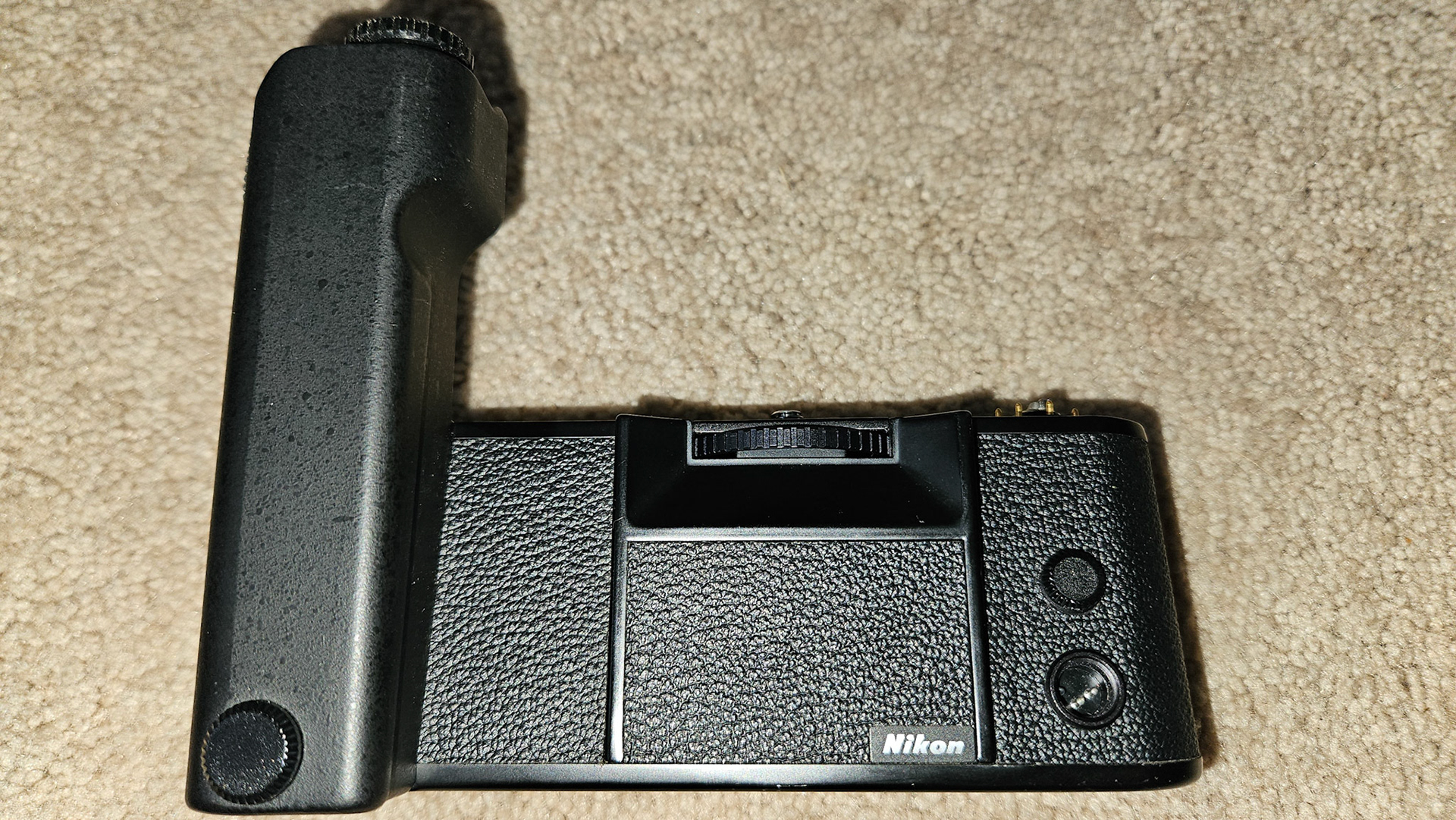
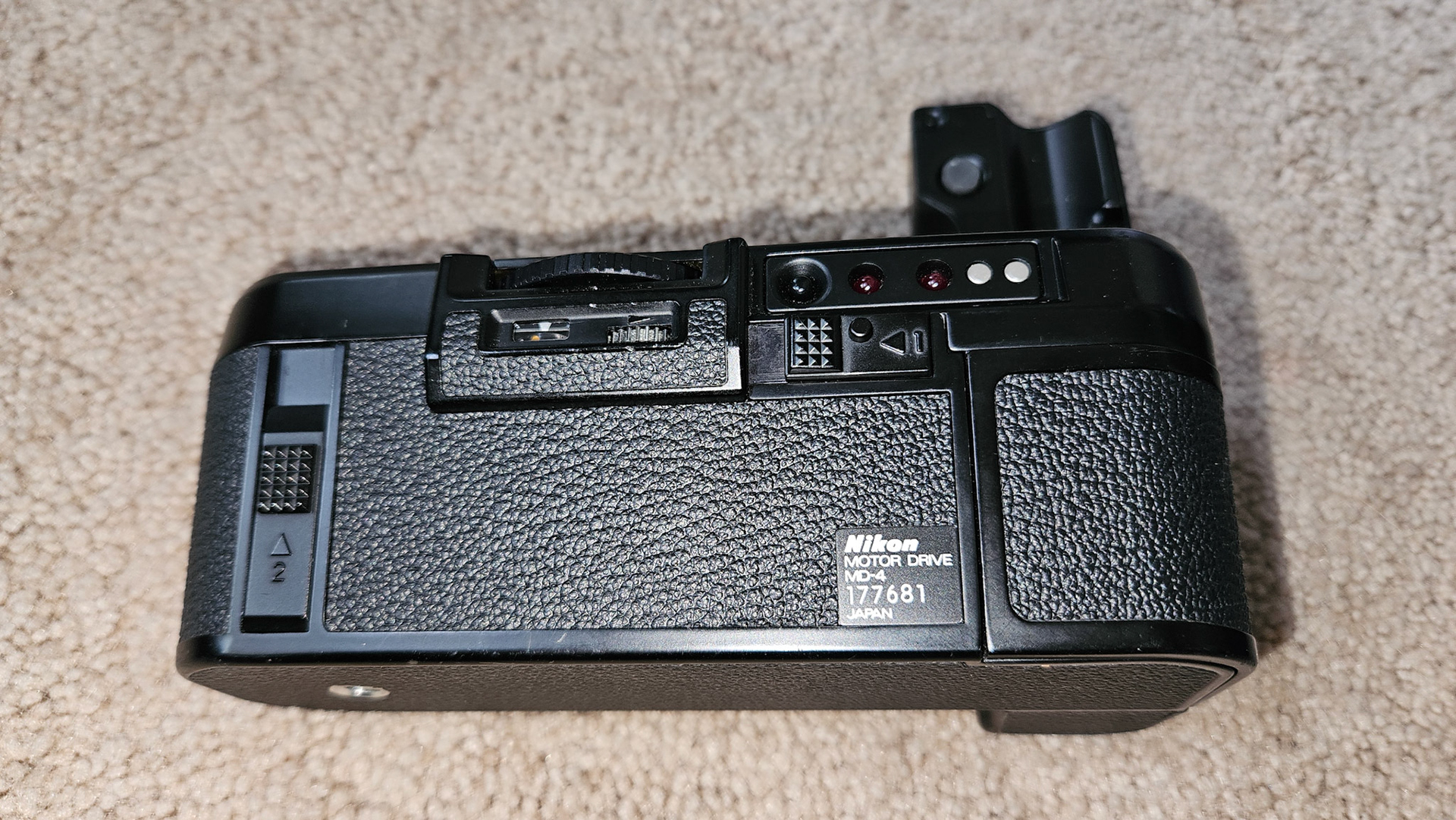
Nikon MD-4 Motor For F3
The Nikon MD‑4 is the dedicated motor drive for the Nikon F3 series, providing high‑speed motorized film advance, automatic rewind, and power to the camera body. It can reach up to 6 frames per second with the optional NiCd pack and supports single or continuous shooting modes.
Nikon F4
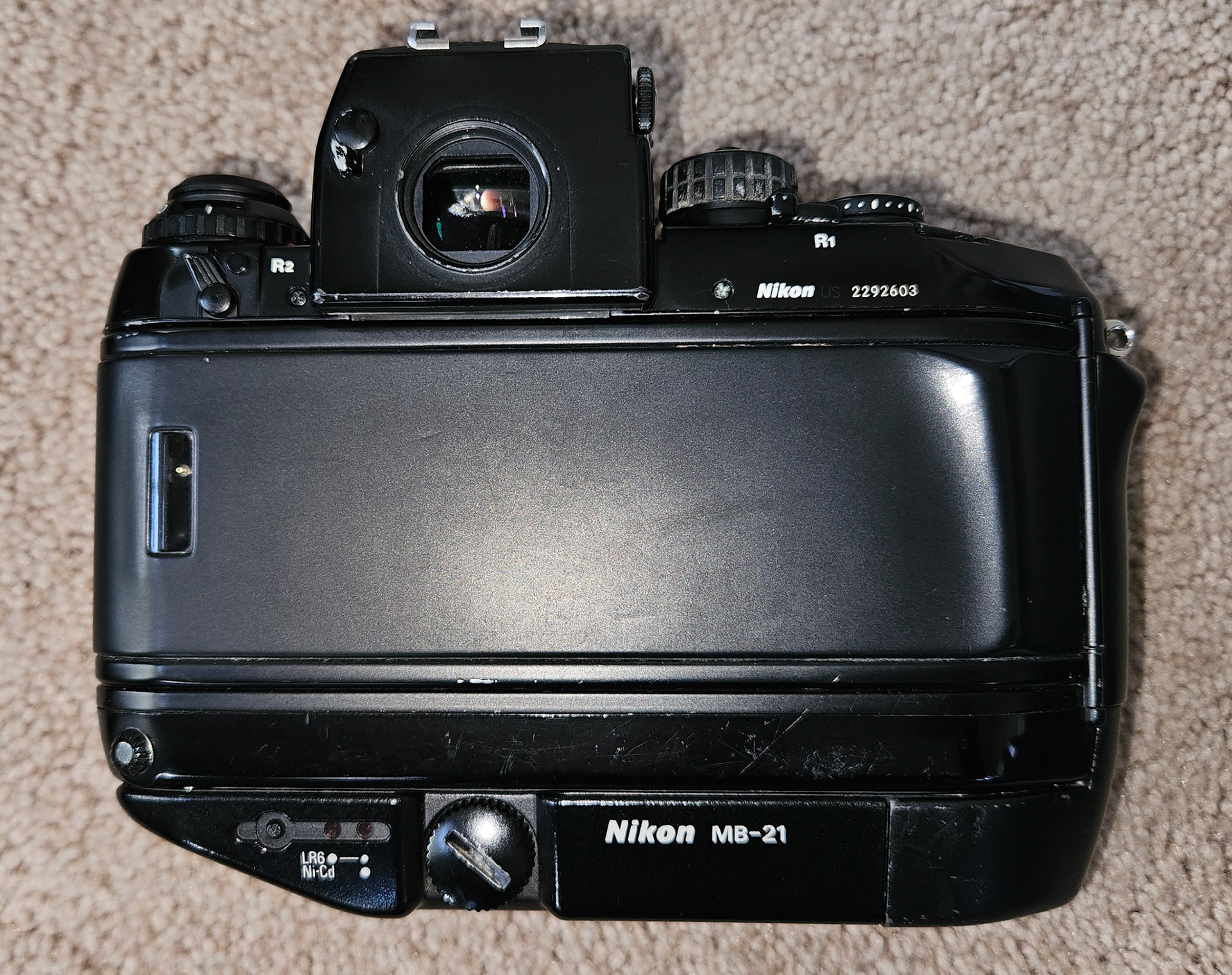
The Nikon F4 is a professional 35 mm autofocus SLR film camera with a built‑in motor drive, Nikon F mount, and an electronically controlled shutter offering speeds up to 1/8000 s with 1/250 s X‑sync.

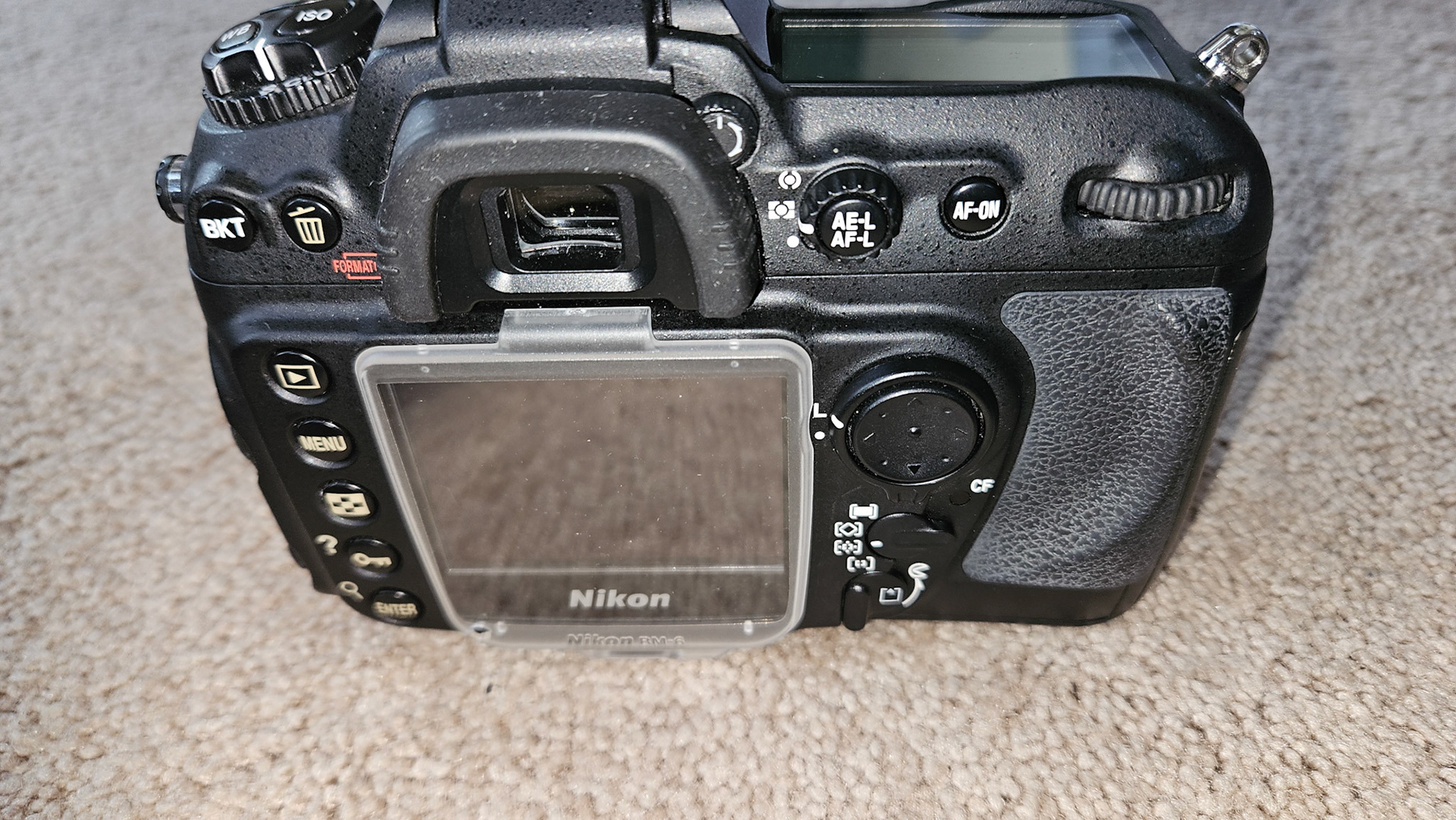
NIkon D200
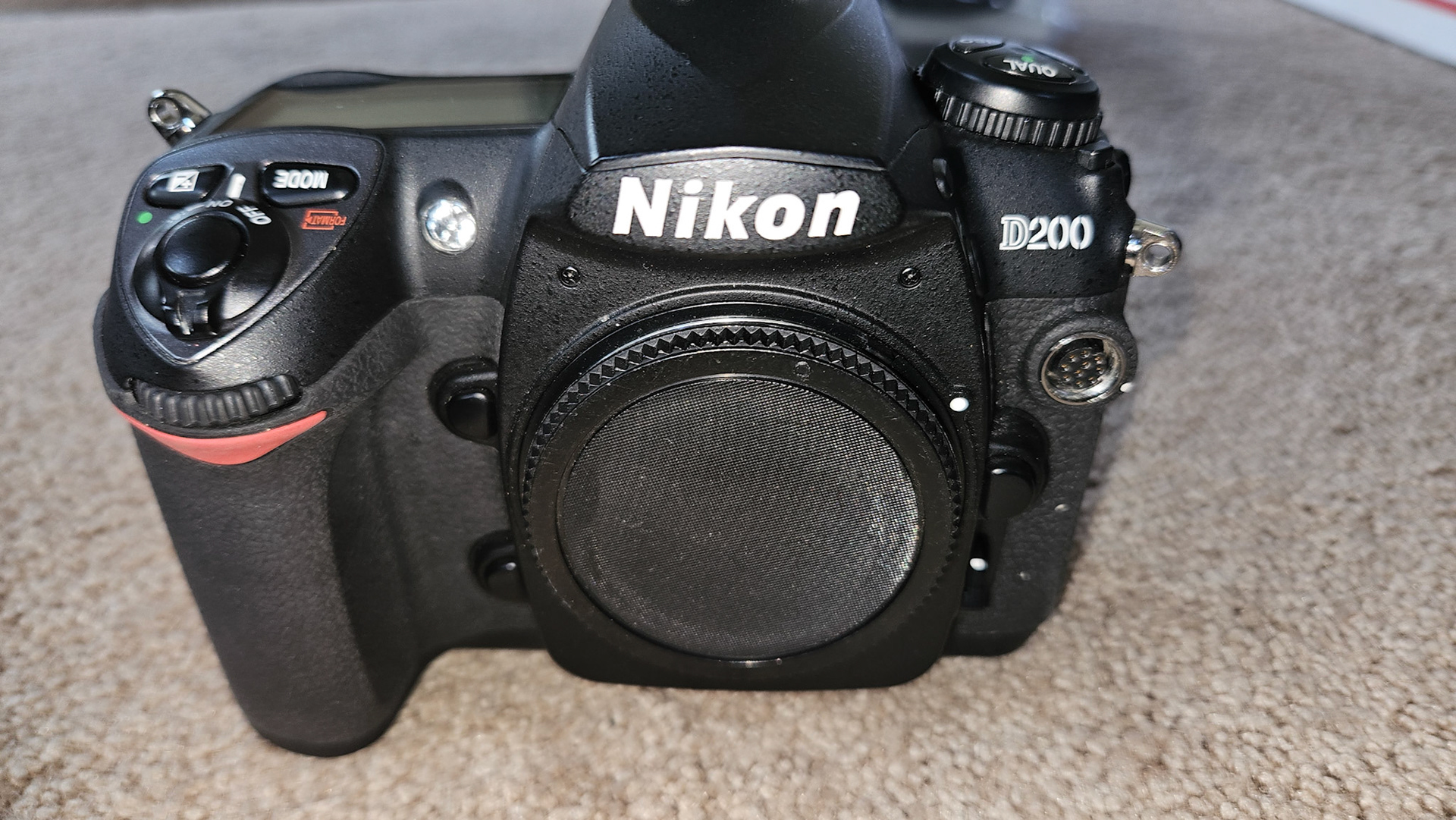
The Nikon D200 is a 10.2‑megapixel Nikon DX‑format (APS‑C) DSLR with a CCD sensor, Nikon F mount, and 5 fps continuous shooting, positioned as a semi‑pro body between the consumer and full pro lines.
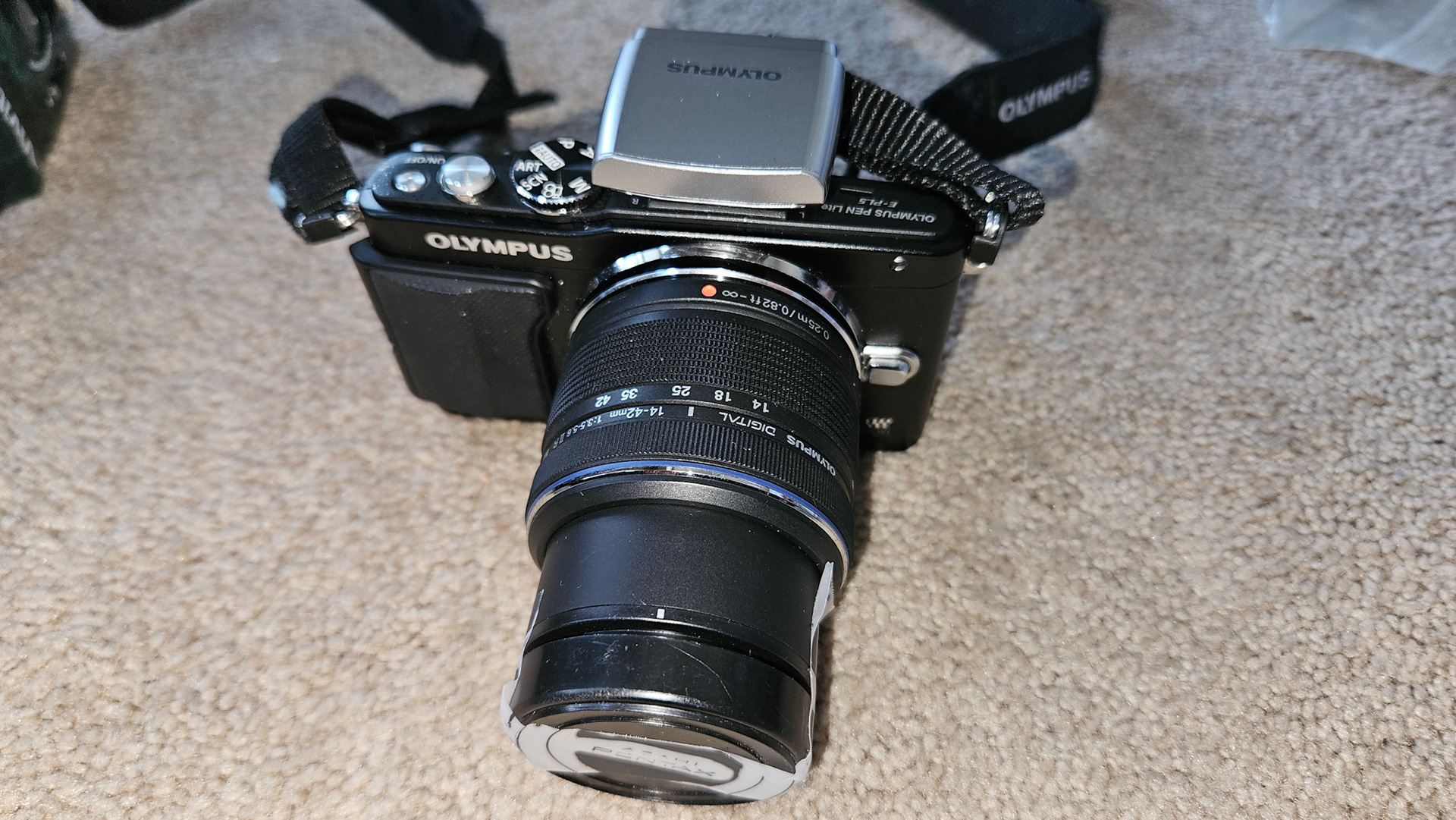
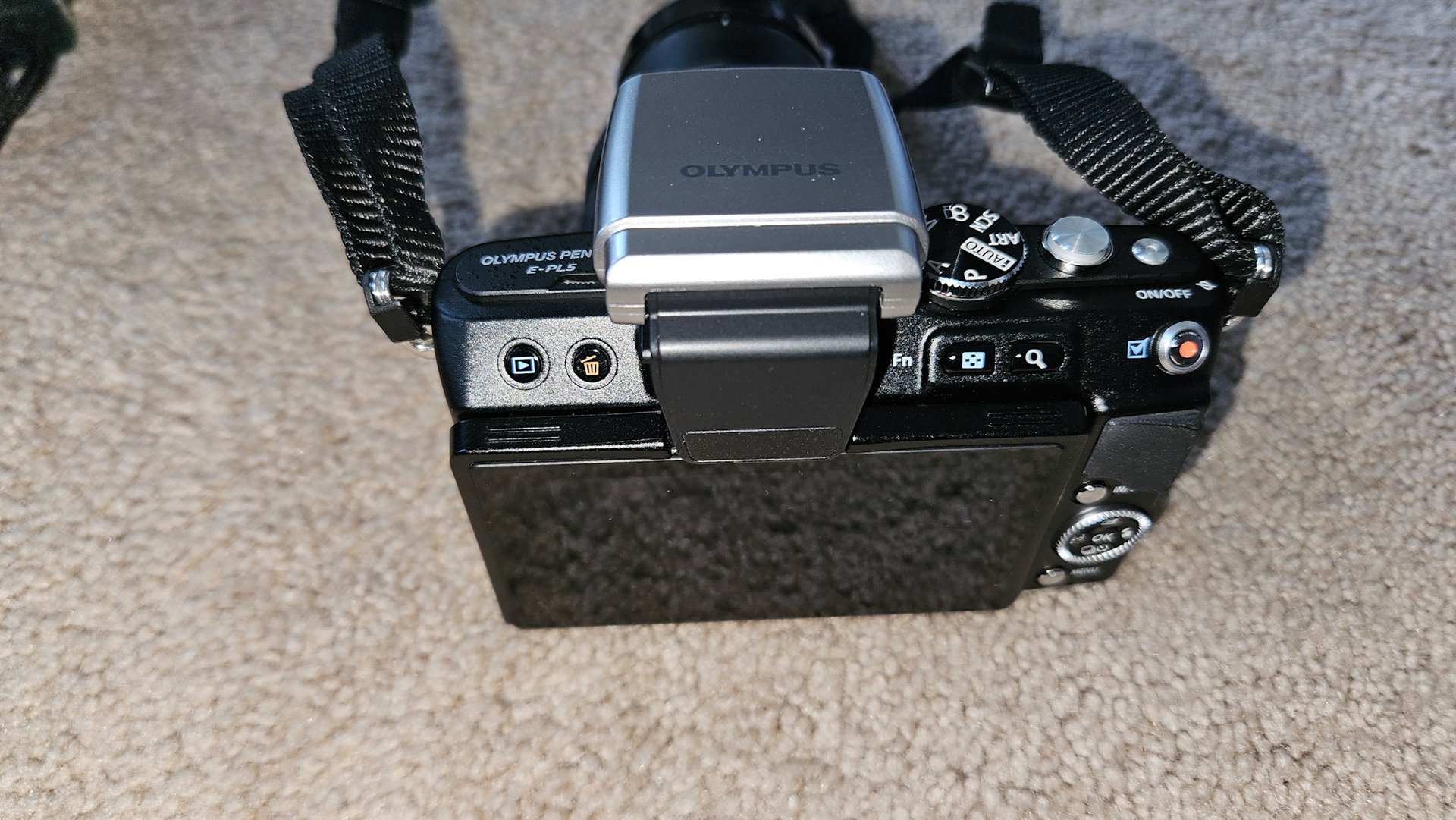
Olympus E-PL5 W/14-42mm lense
The Olympus PEN E‑PL5 is a compact Micro Four Thirds mirrorless camera with a 16 MP Four Thirds‑size CMOS sensor and interchangeable‑lens support via the Micro Four Thirds mount.
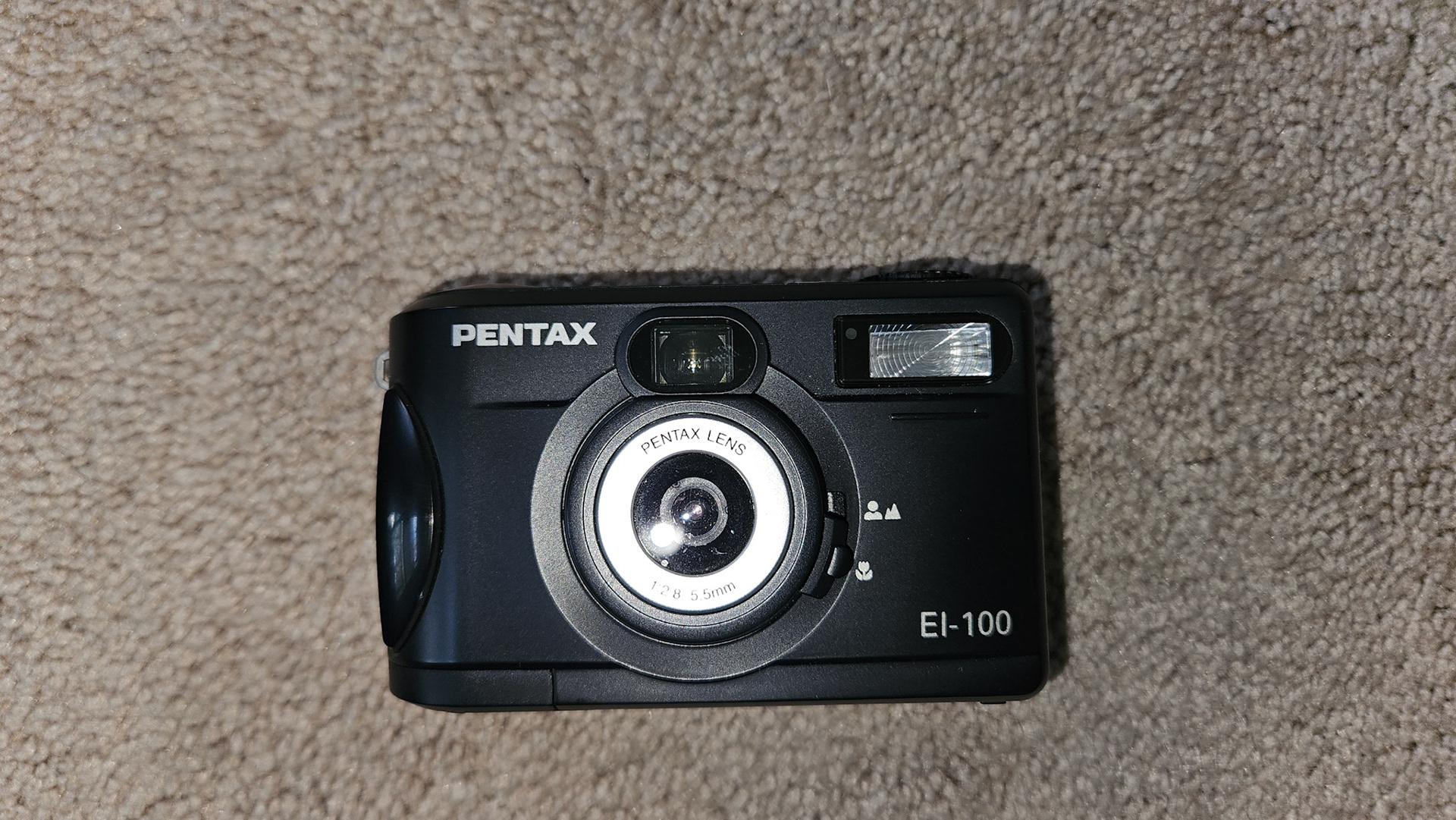
Pentax EI-100
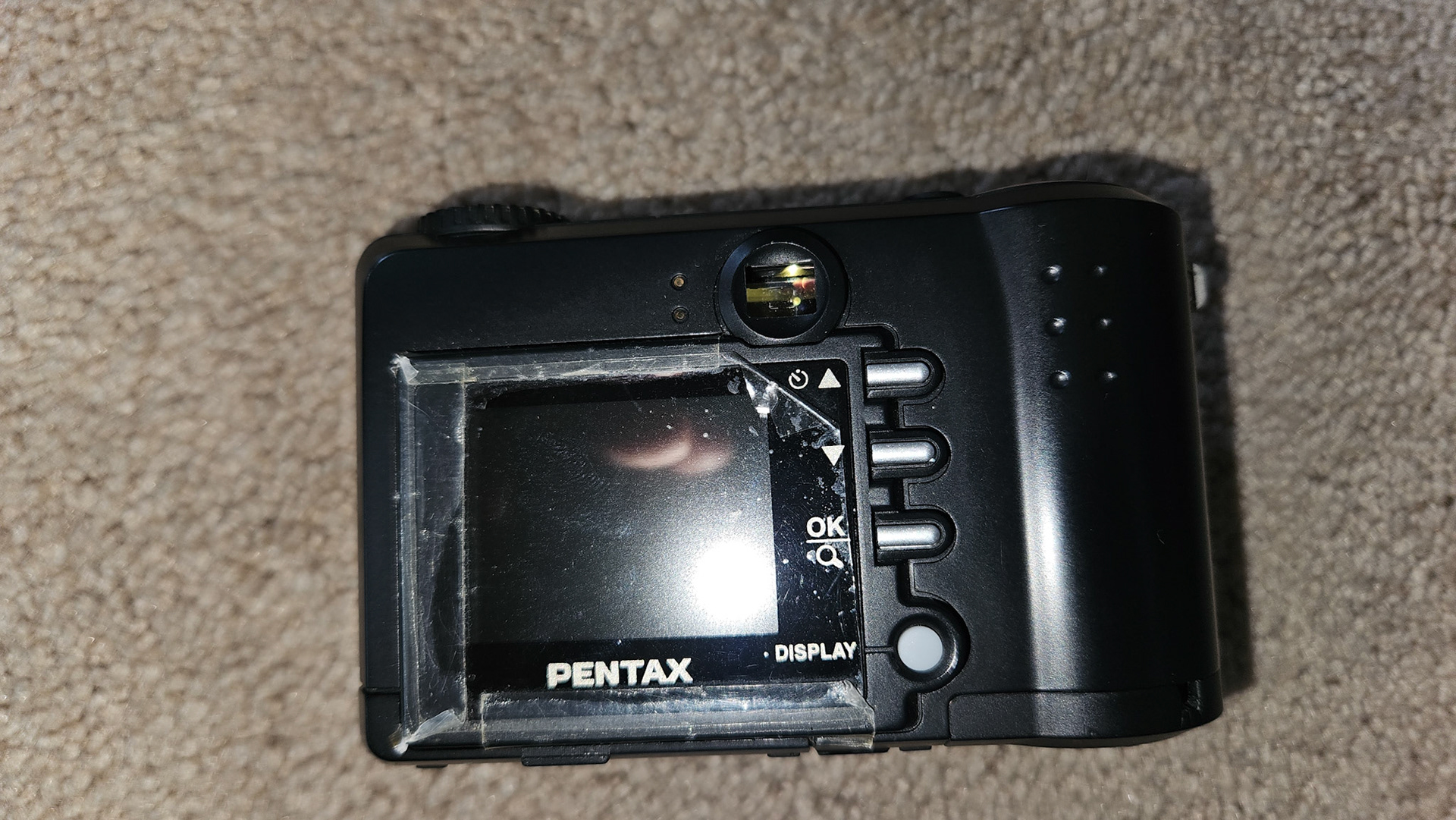
The Pentax EI‑100 is an early, entry‑level compact digital camera with a 1.3‑megapixel CCD sensor, fixed‑focal‑length lens, and CompactFlash storage. It was announced in 2001 and aimed at simple point‑and‑shoot use.
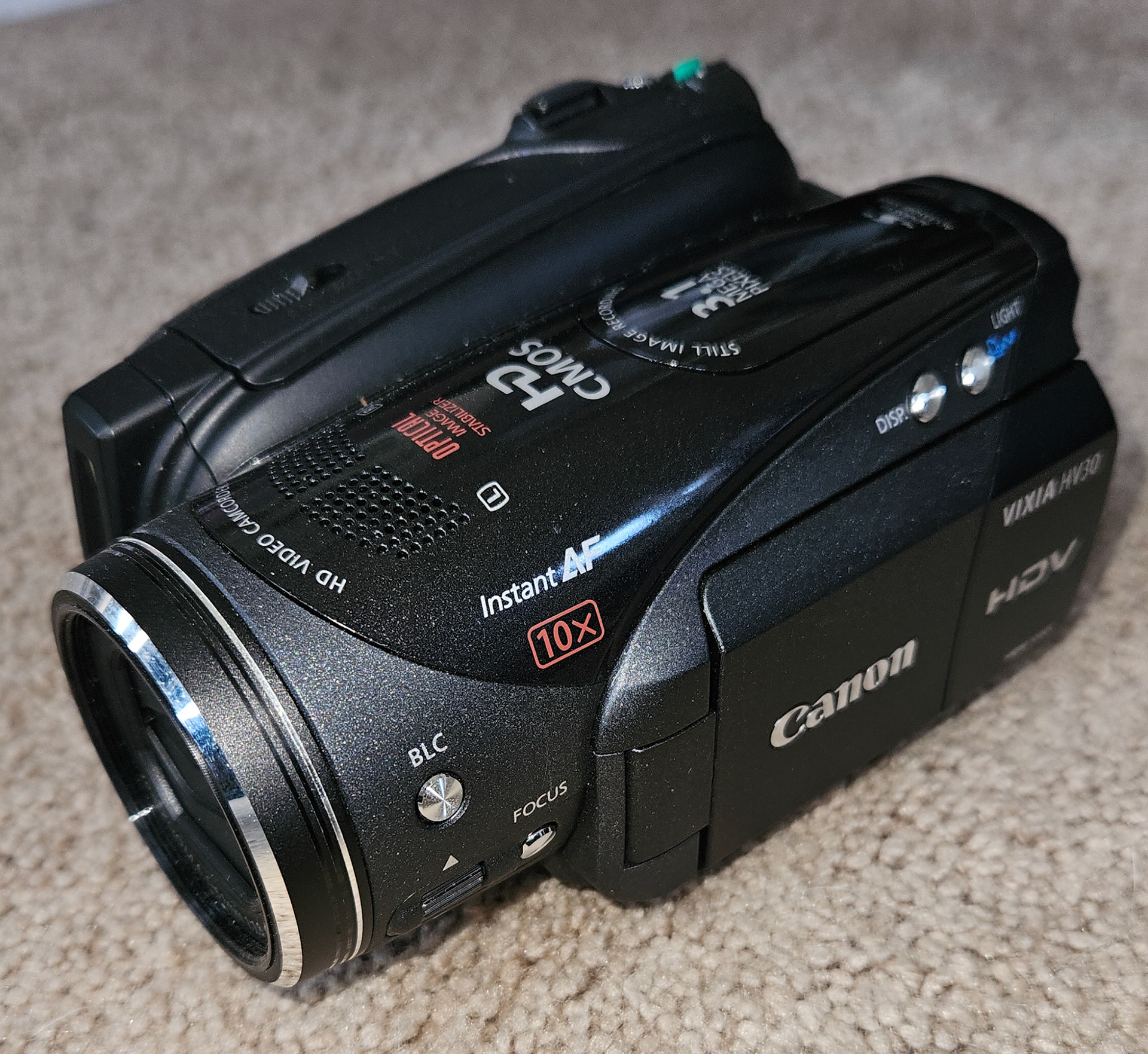
Canon HV-30 Camcorder
The Canon VIXIA HV30 (often just called “HV30”) is a MiniDV HDV camcorder that records 1080‑line high‑definition video to tape, using a 1/2.7‑inch CMOS sensor and a 10× optical zoom Canon HD Video Lens.
FLASHES
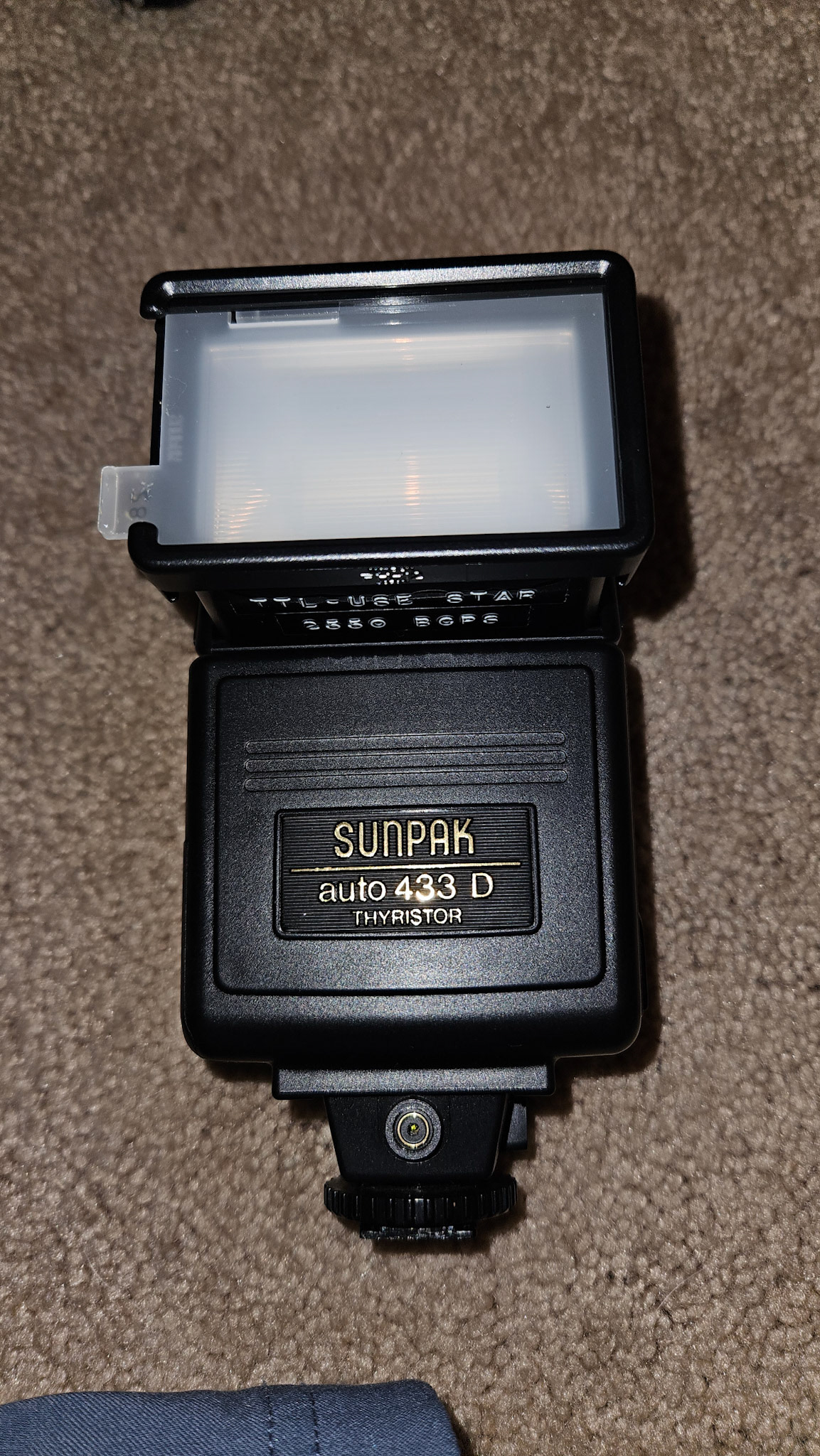
The Sunpak Auto 433D is a hot‑shoe, thyristor‑type auto flash with bounce/swivel head, multiple auto‑aperture modes, and a relatively powerful guide number in a compact package (I need to confirm if for Nikon or Cannon)
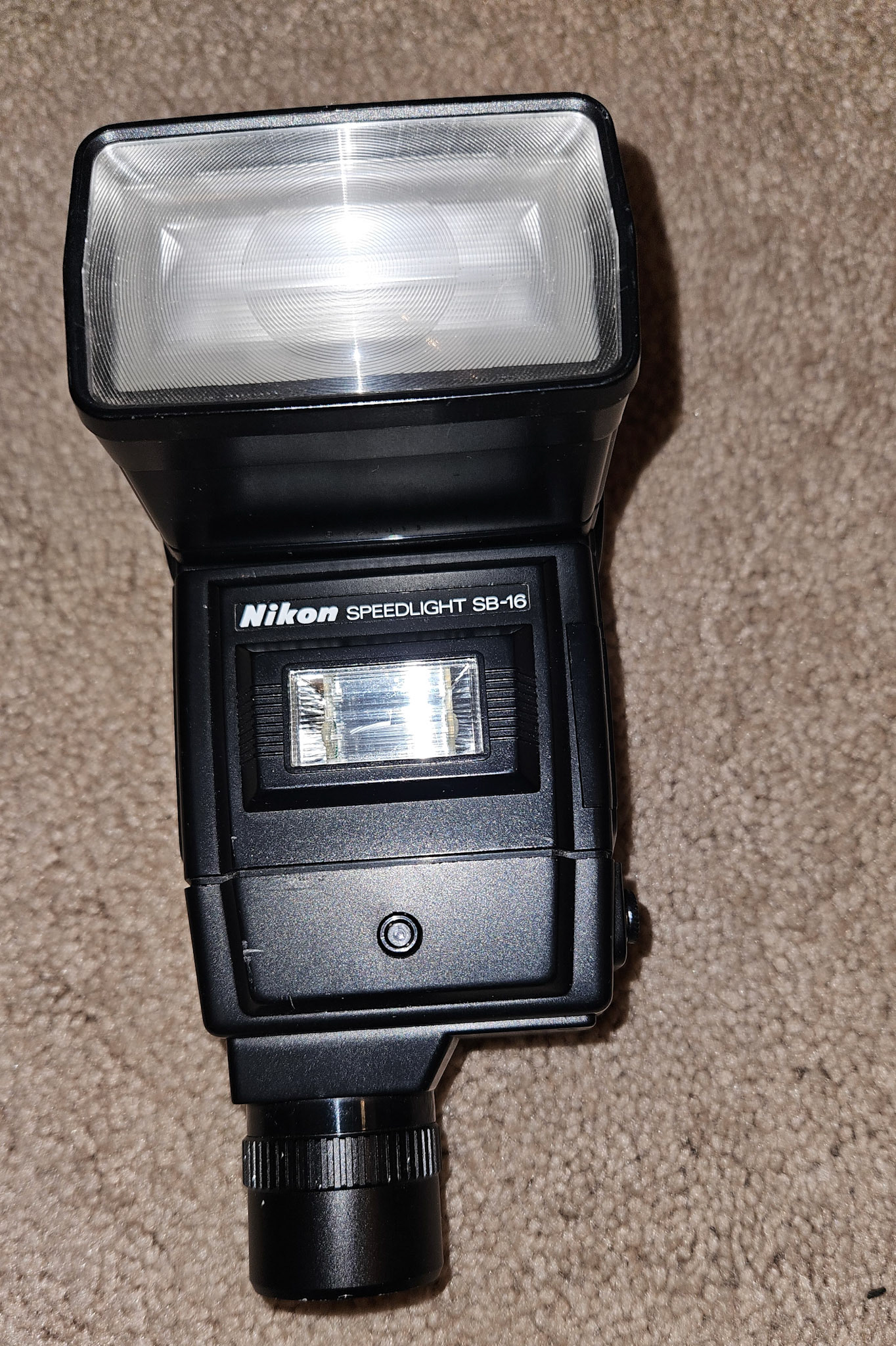
The Nikon SB-16 is a modular TTL/auto/manual Speedlight for Nikon film SLRs, notable for its dual flash heads and interchangeable foot for either the F3 or standard ISO hot shoe.
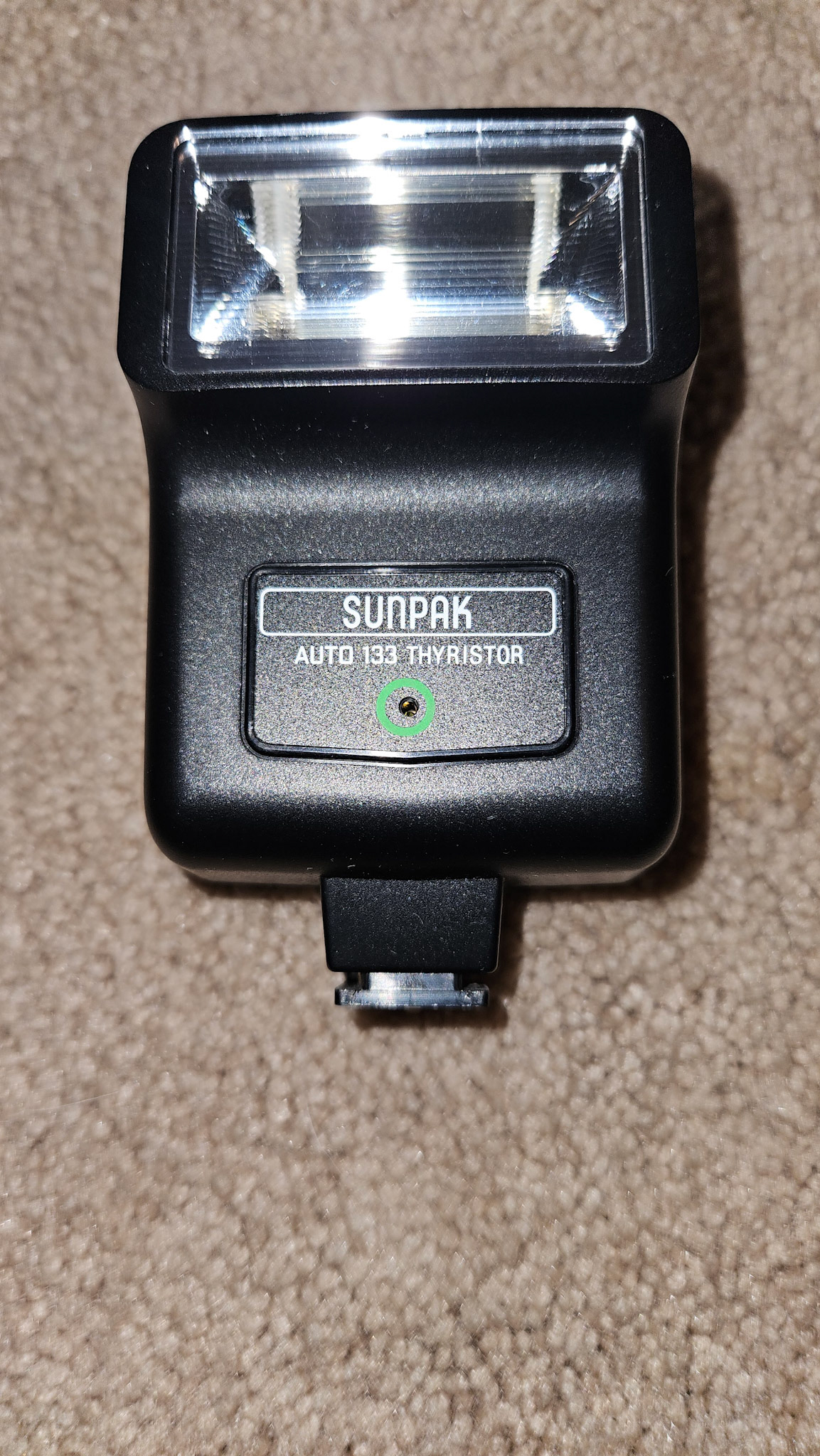
The Sunpak Auto 133 is a small, hot‑shoe auto‑thyristor flash with both automatic and manual modes, aimed at simple on‑camera use on 35 mm film cameras.
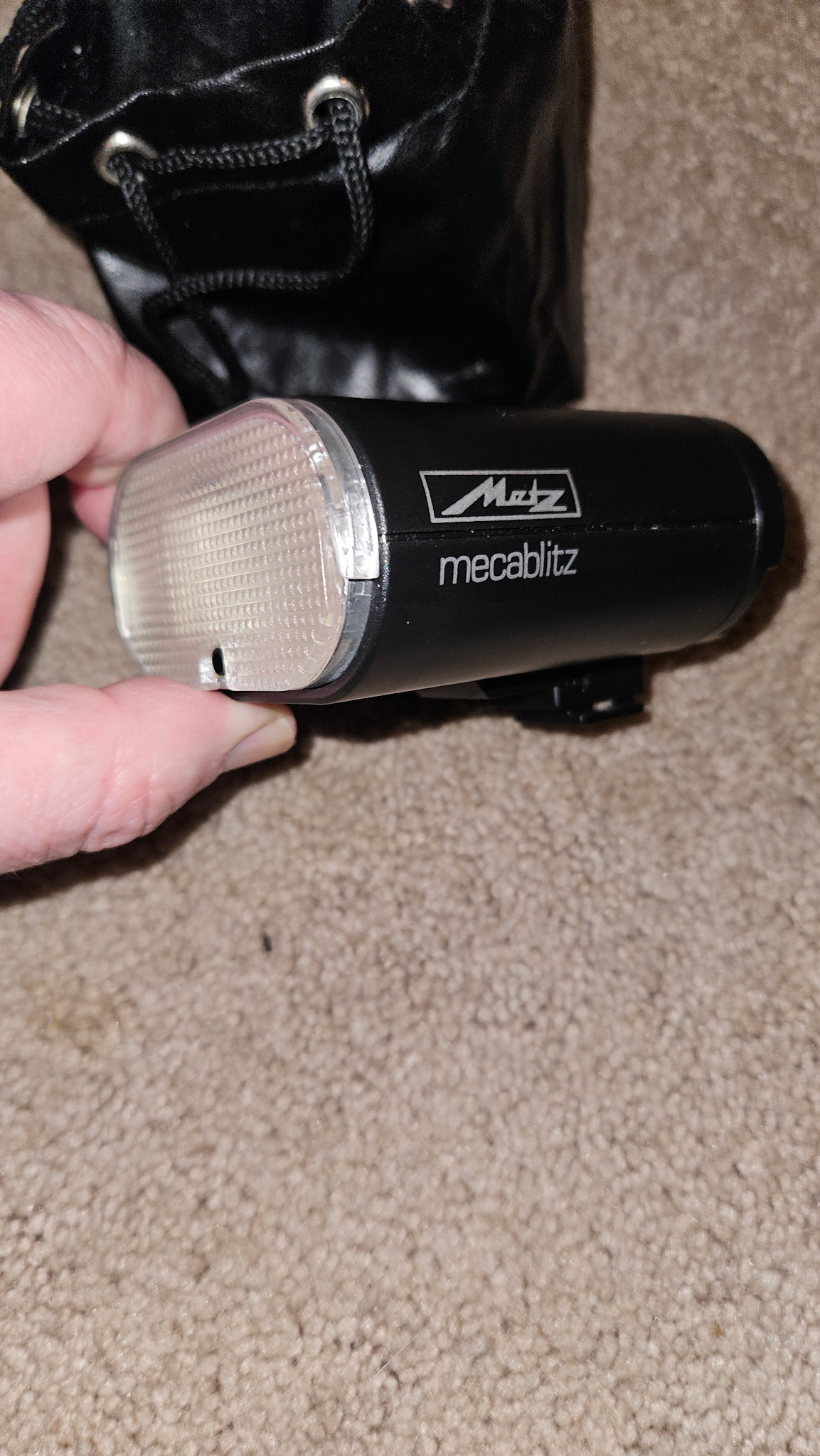
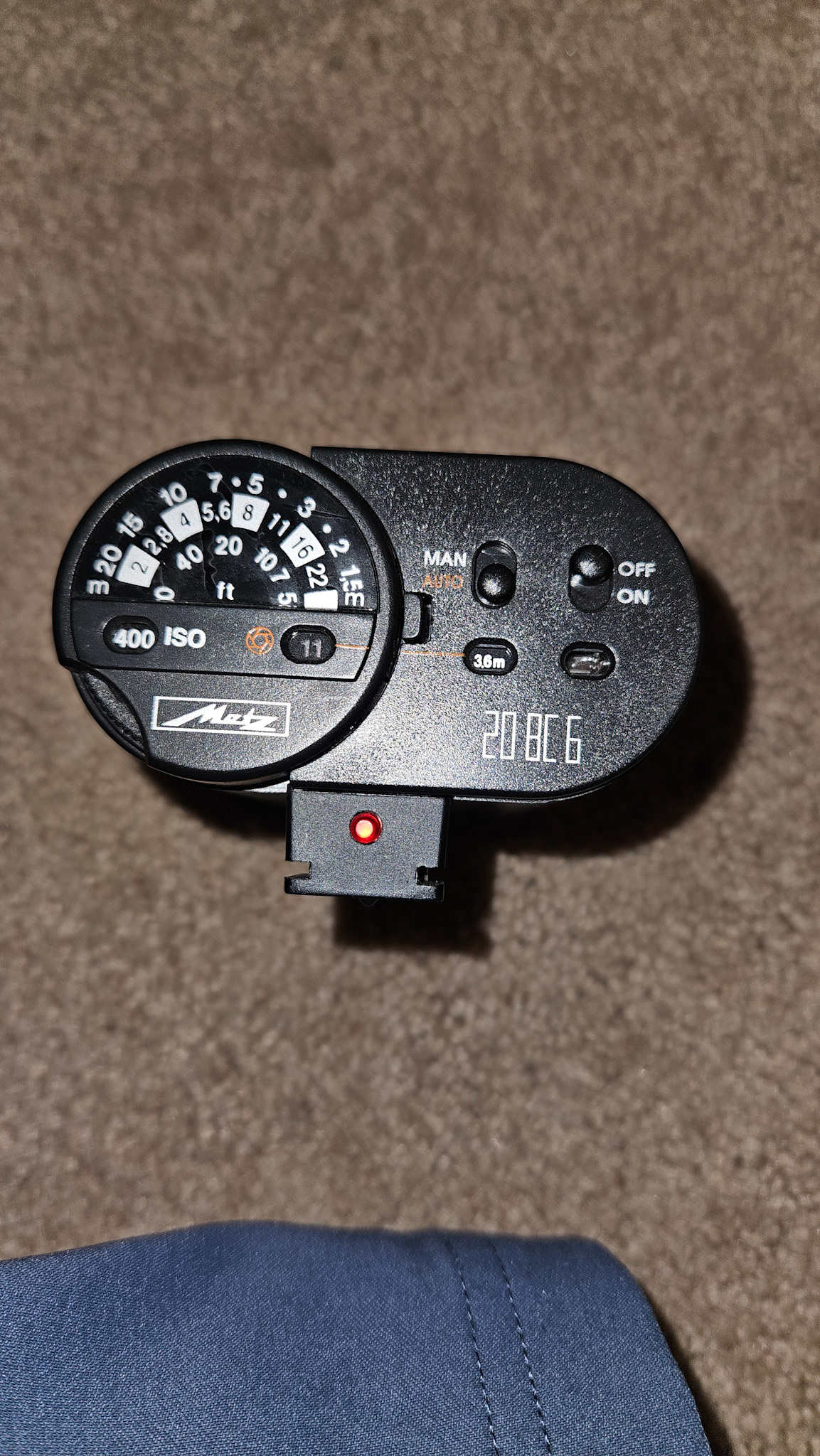
The Metz mecablitz 20 BC 6 is a compact, shoe‑mount manual/auto flash with a modest guide number of about 20 at ISO 100 and 35 mm coverage, designed mainly as an inexpensive fill‑flash for non‑AF film cameras. It runs on AA batteries and is well‑suited to close‑range portraits, snapshots, and small indoor spaces.
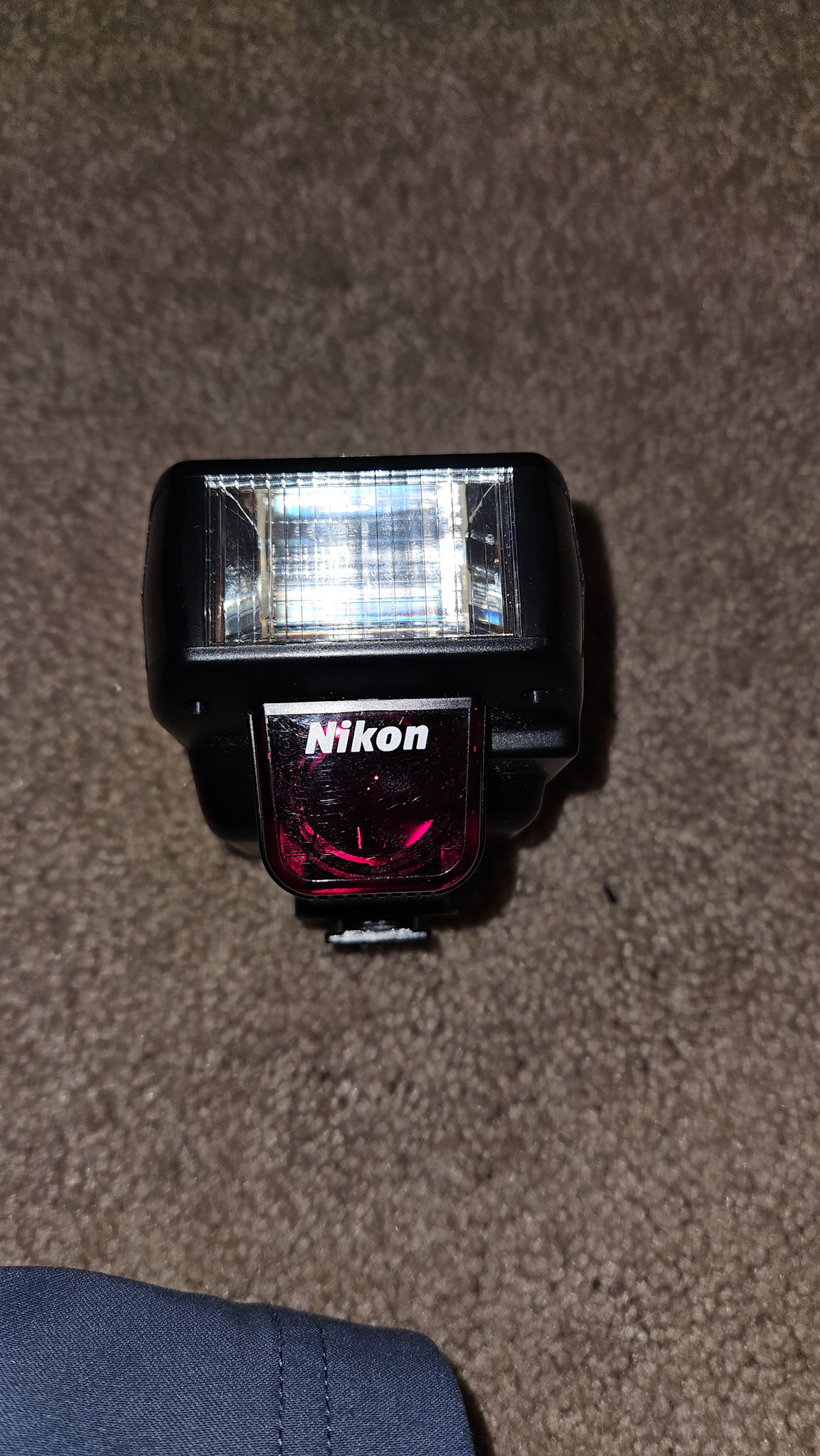
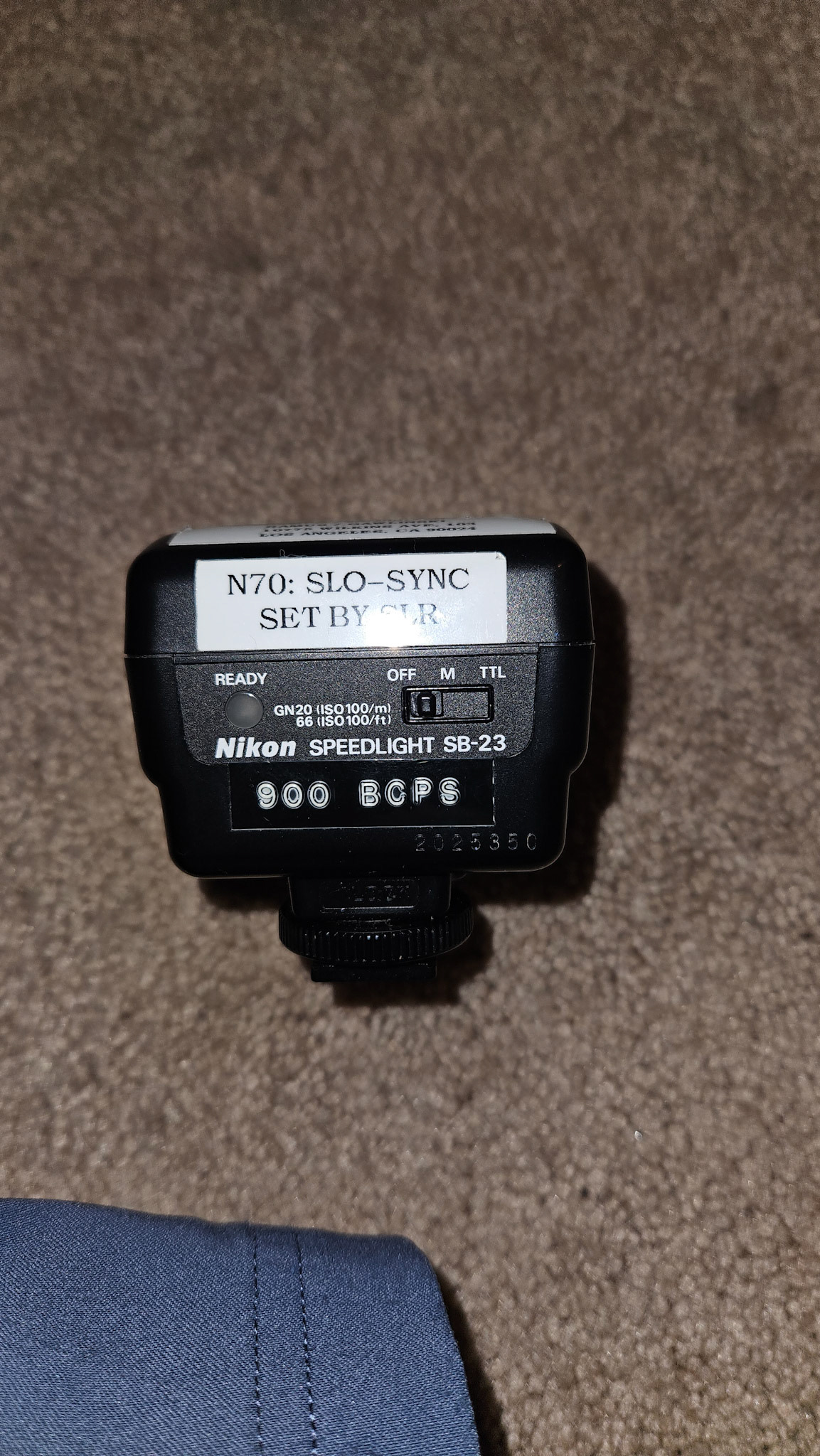
The Nikon Speedlight SB-23 is a very compact TTL hot-shoe flash designed mainly for Nikon AF 35 mm SLRs, optimized for fill-flash and close indoor work rather than raw power. It offers TTL auto flash plus a full-power manual mode, making it simple but effective for small-camera, on-the-go setups.
Camcorder LENS Add-on
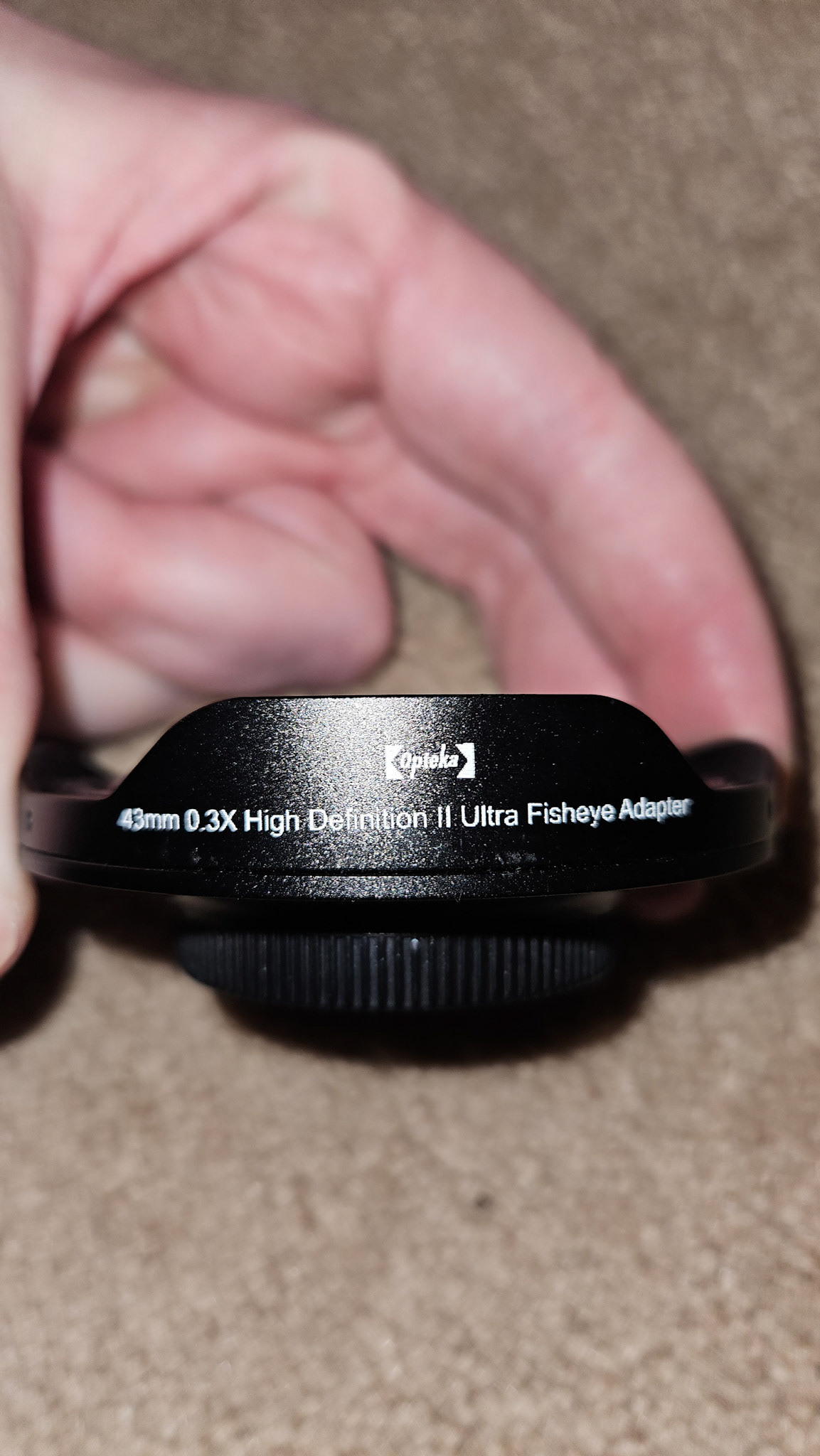
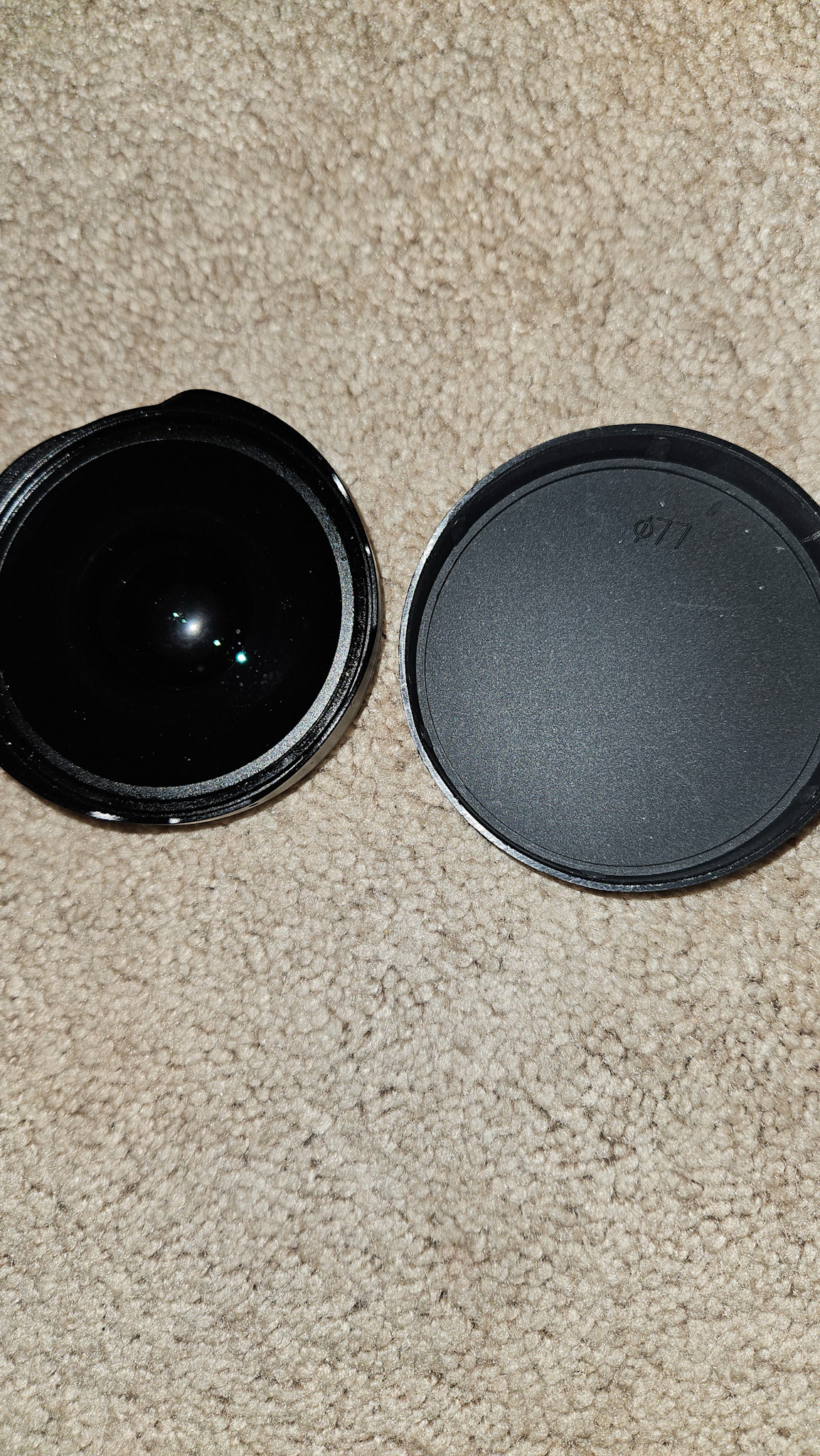
The Opteka 43 mm 0.3x HD II Ultra Fisheye Adapter is a front‑mount fisheye converter that screws onto lenses with a 43 mm filter thread and gives an extreme, “death‑lens” style fisheye view for camcorders and similar video cameras.

LIght Meter
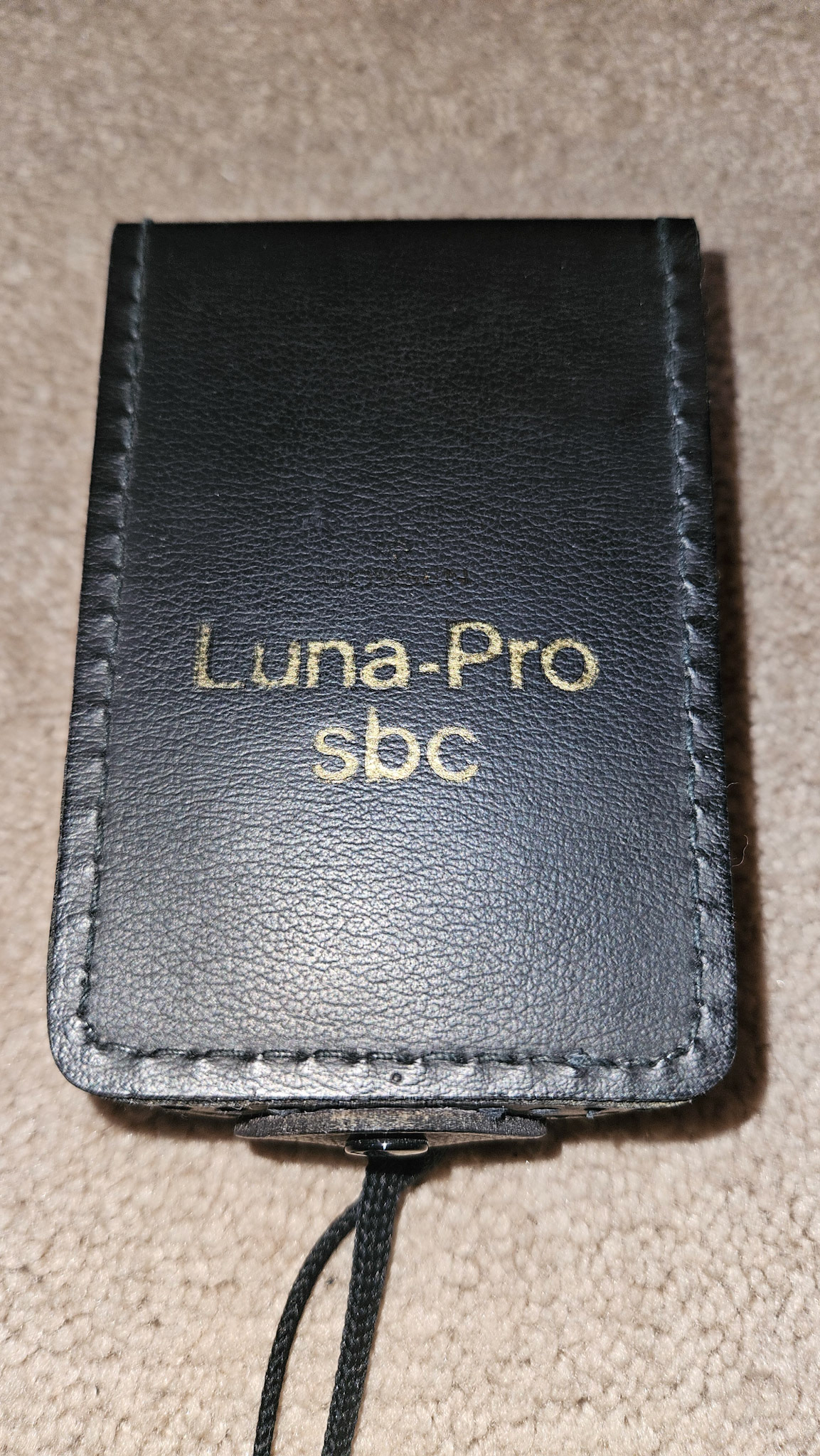
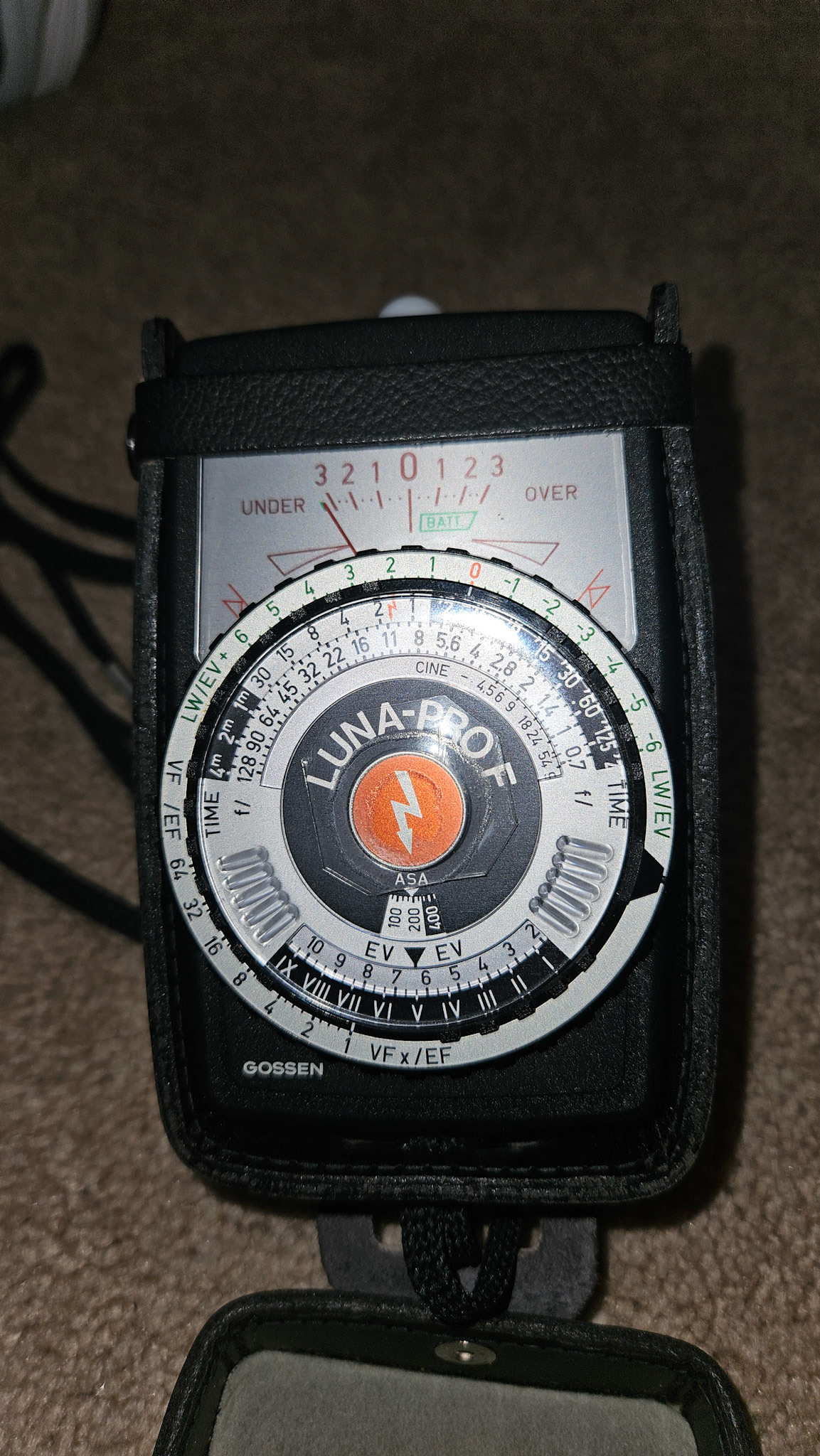
The Gossen Luna-Pro F is a versatile, analog hand-held exposure meter using a silicon blue photocell for both incident and reflected light readings, plus flash metering, with a null-needle matching system for precise exposure calculation.
Sensor and range: Silicon blue cell with sensitivity from -1 to +17 LV (light value), covering ASA/ISO 0.8 to 100,000.
Aperture/shutter: f/0.7 to f/128 and 1/4000 s to 8 hours, with EV, EF (up to 64x), cine, and Zone System scales.
OTHER
PHOTO LUPE
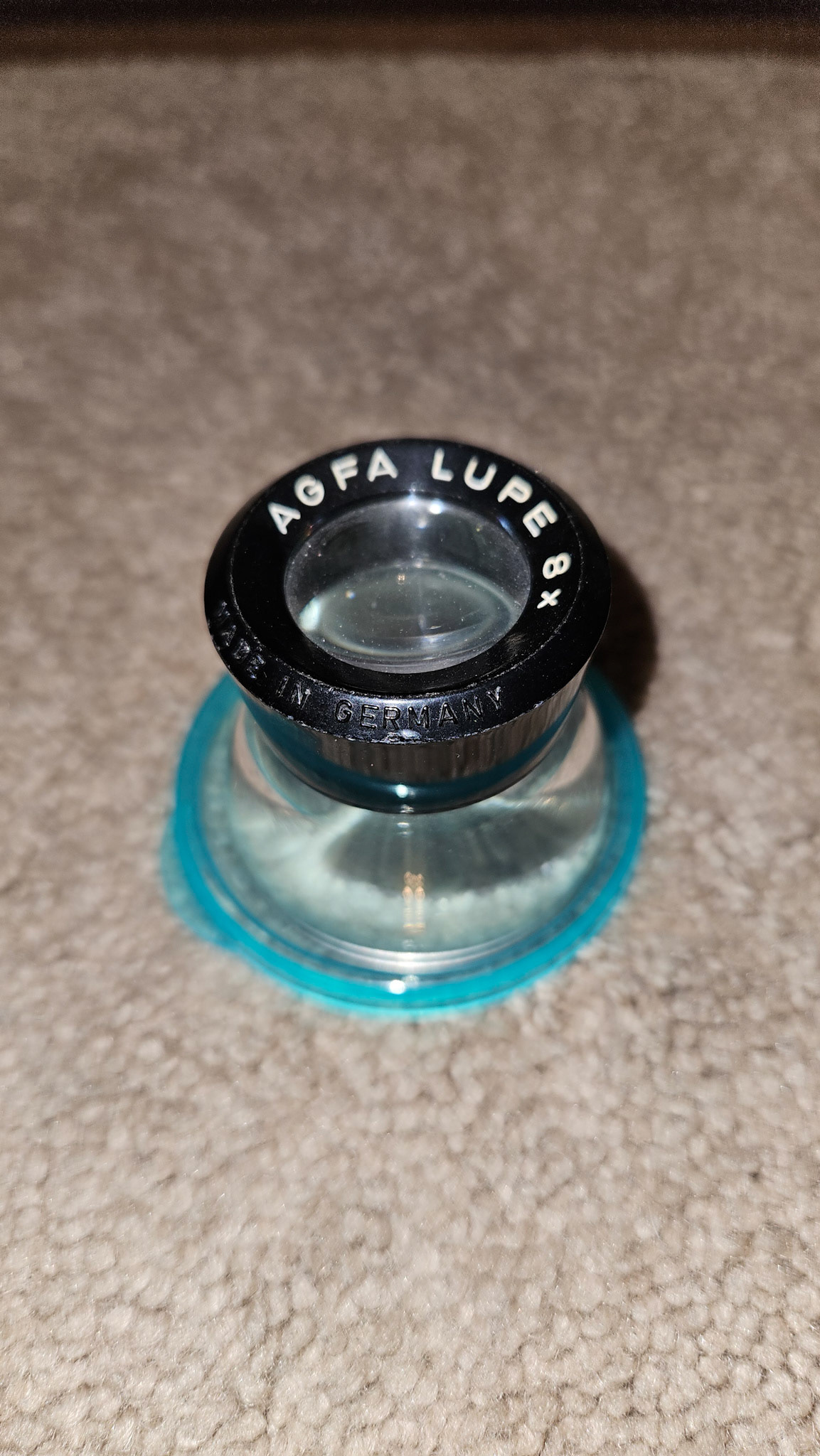

The Agfa Lupe 8x is a stand‑type viewing loupe with 8× magnification, a clear acrylic base, and a small, high‑quality optical glass lens, made in Germany for critical inspection of slides, negatives, and prints.
The Macromax 5x (often branded Emo Wetzlar Macromax 5x) is a high‑quality focusing and viewing loupe, originally made in Wetzlar, Germany, for critical inspection of film and for large‑format ground‑glass focusing.
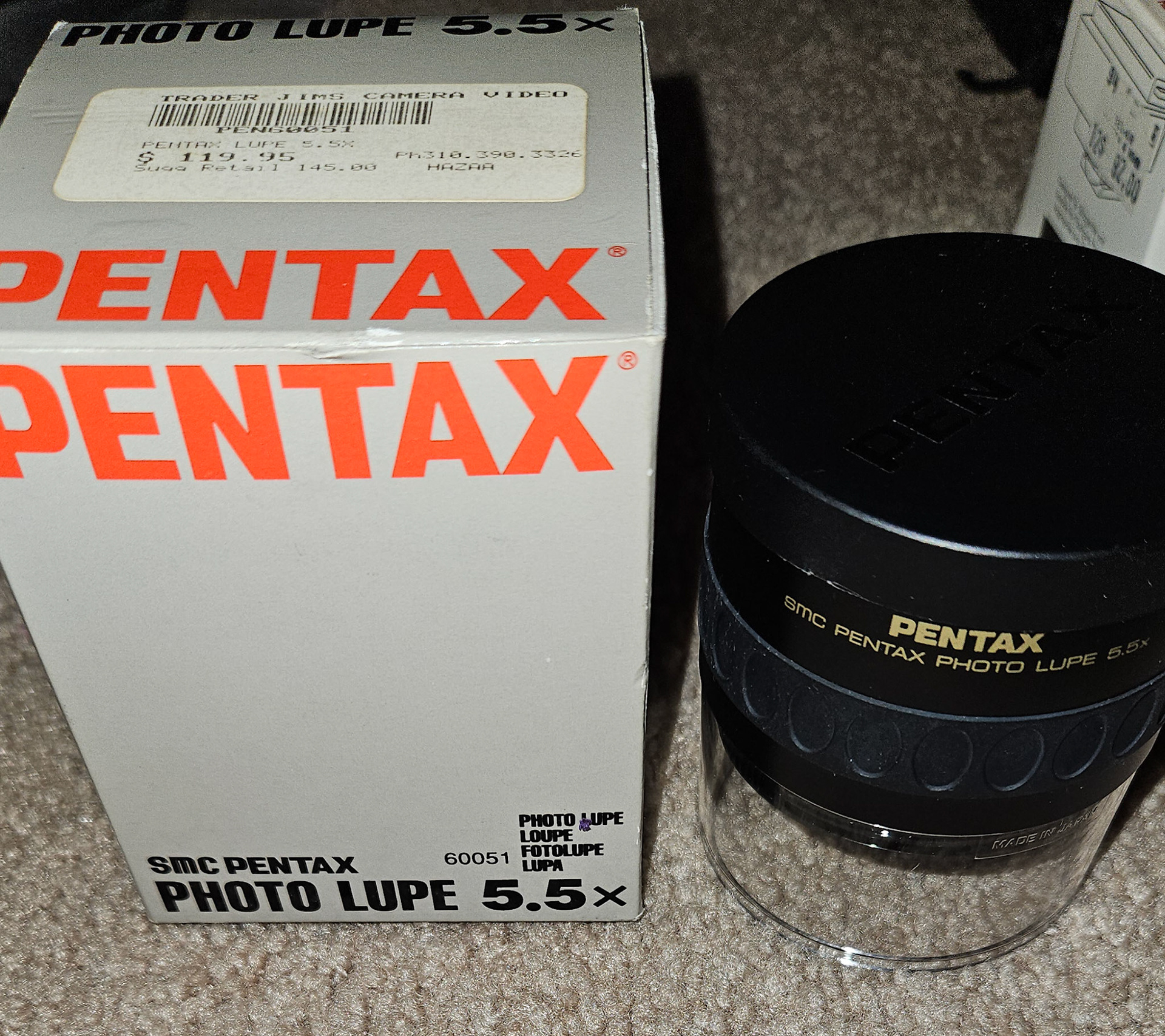
The SMC Pentax Photo Lupe 5.5x is a high‑quality slide/negative viewing loupe designed for critical inspection of 35 mm and medium‑format film, using Super‑Multi‑Coated optics and 5.5× magnification.
CORDs

The Nikon MC‑12B is a two‑stage electronic remote release cord with a 2‑pin plug, used to trigger compatible Nikon film bodies and motor drives without touching the camera.
Directly compatible with bodies and drives such as the F4S/F4E, F‑801/F‑801s (N8008 series), N70, N2020, N2002, and motor drives MD‑4 and MD‑15
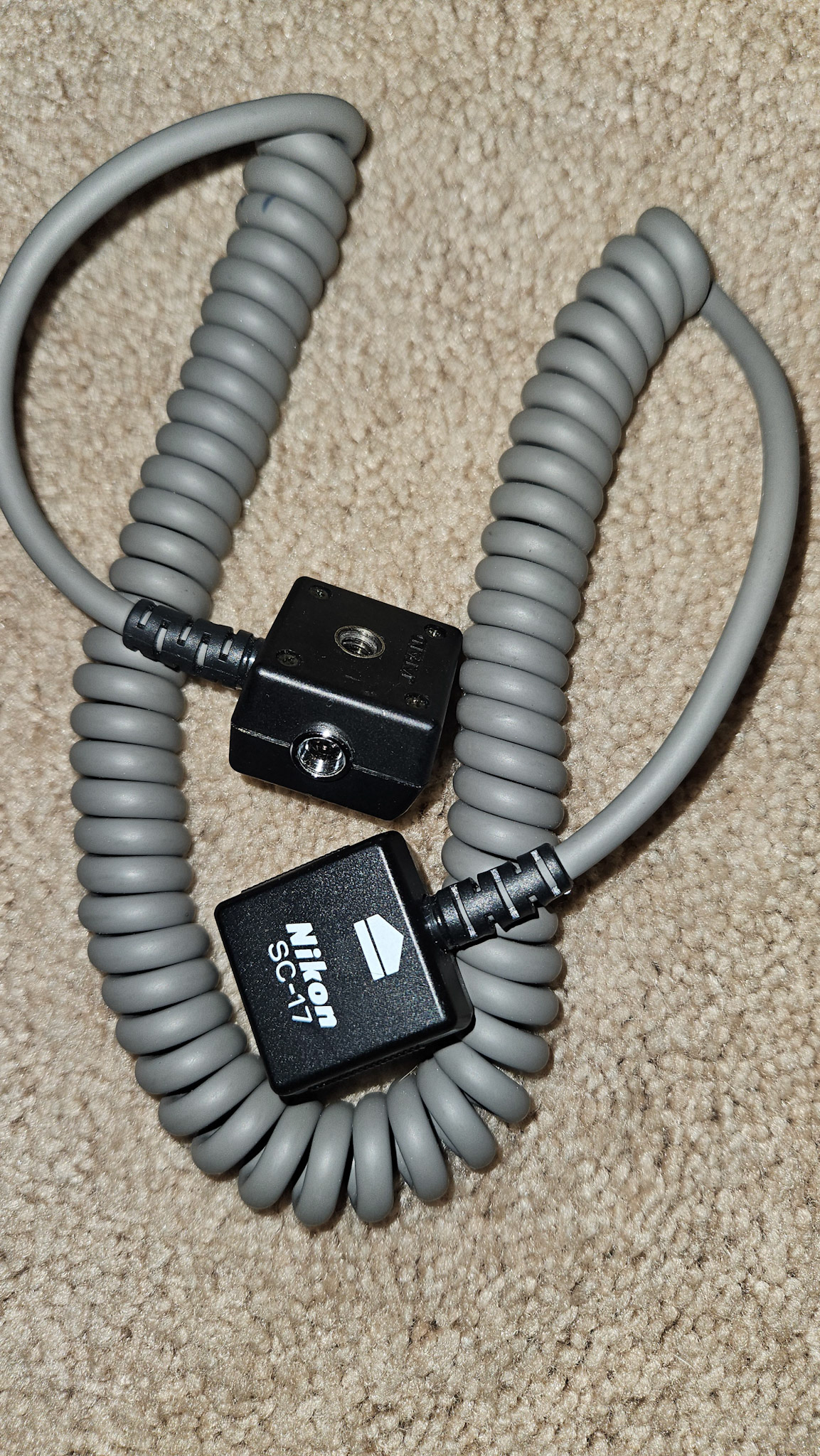
The Nikon SC-17 is a coiled TTL remote cord that extends a compatible Nikon Speedlight off-camera while preserving full TTL metering, automatic zoom head adjustment, and ready-light signaling.
Cameras: Works with Nikon film and digital bodies supporting D-TTL/i-TTL (e.g., F4/F5/F100, D1/D2/D70/D200/D700/D800 series).
Flashes: SB-800, SB-900/910, SB-600/700, and earlier TTL Speedlights; up to three SC-17s can chain for longer reach while keeping TTL.
Screens
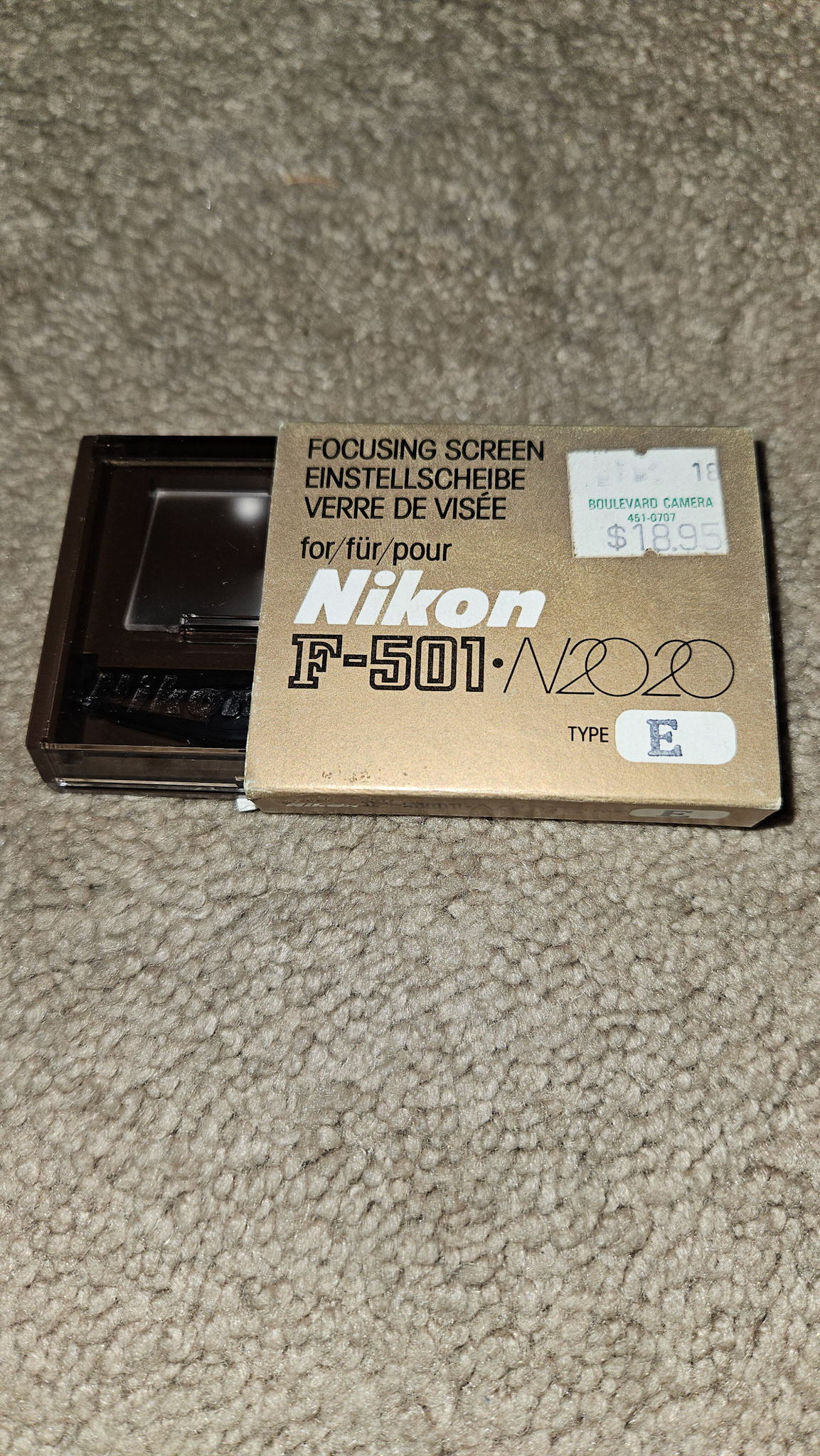
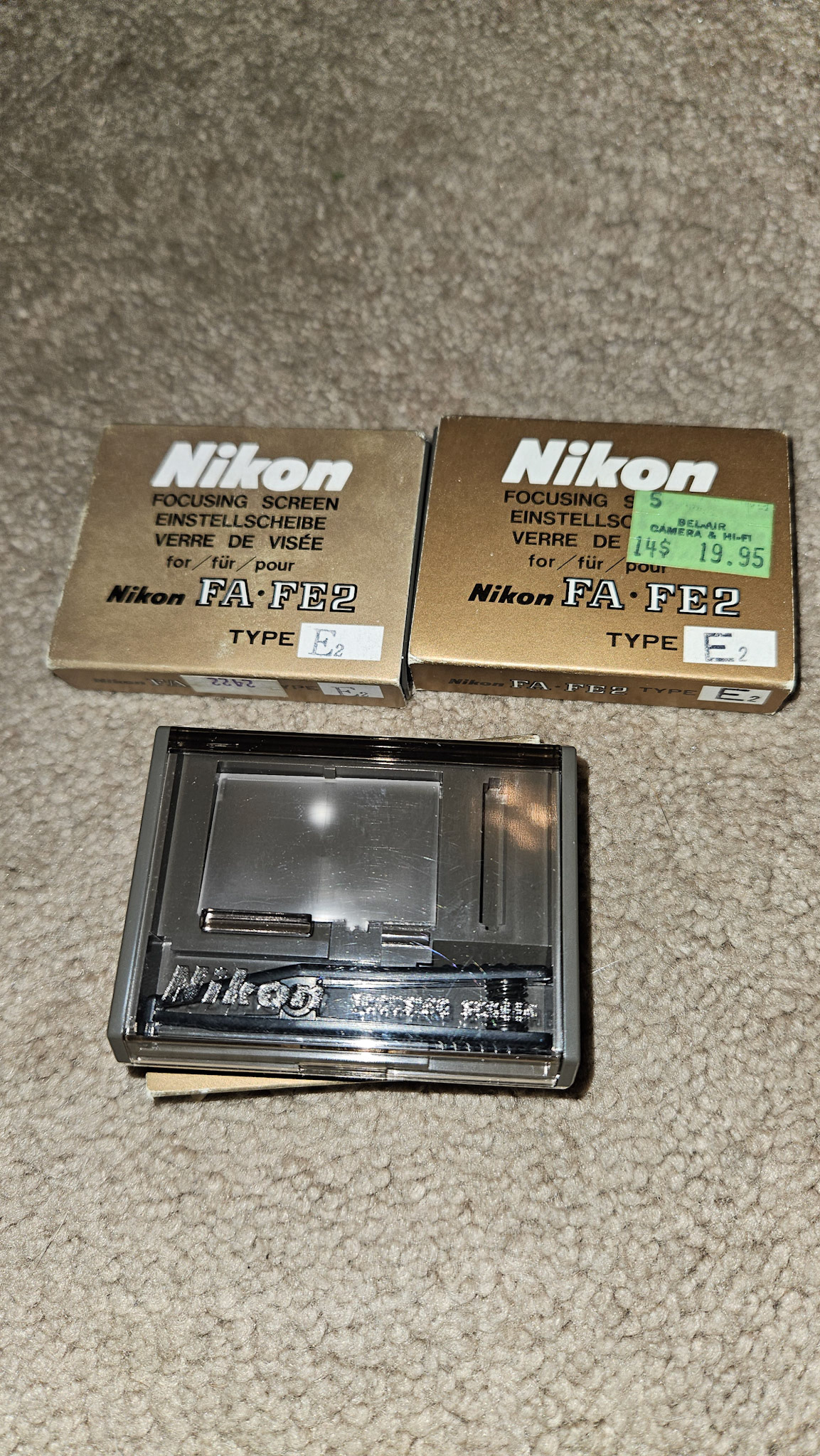
Type E (grid): Similar matte field with an overlaid grid, useful for architecture, horizons, and careful composition, especially with wide‑angle lenses.
Adapters

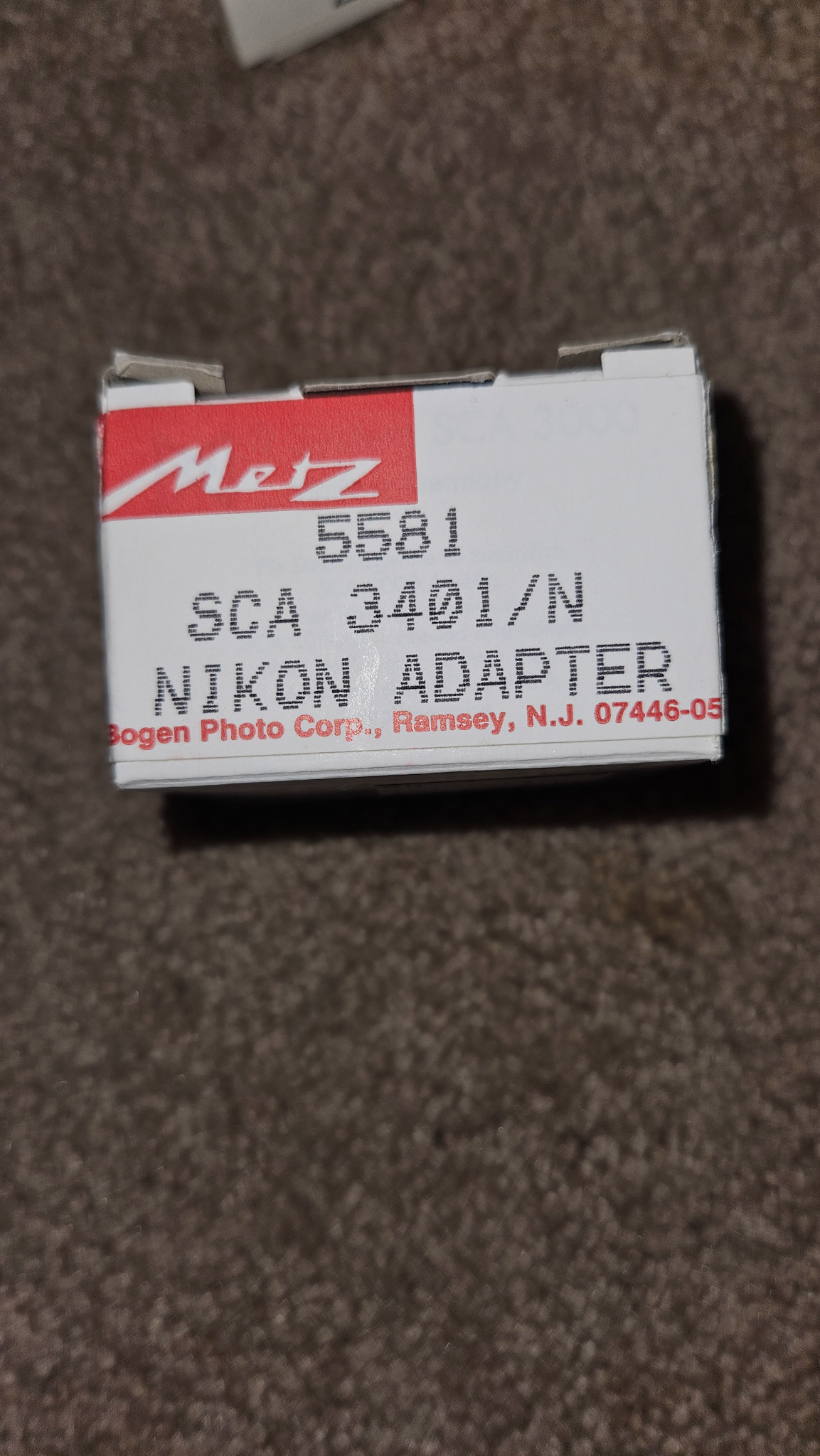
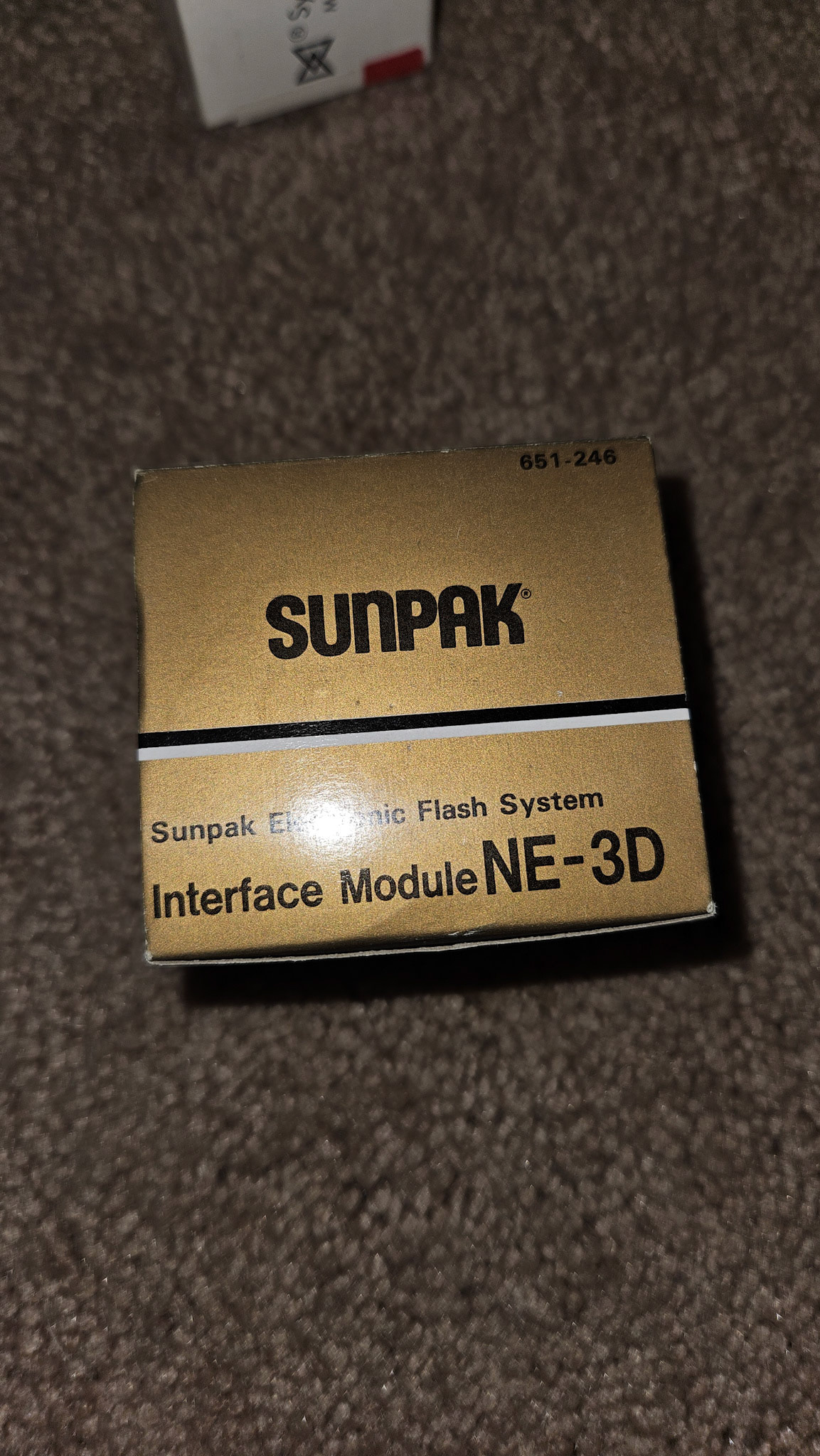
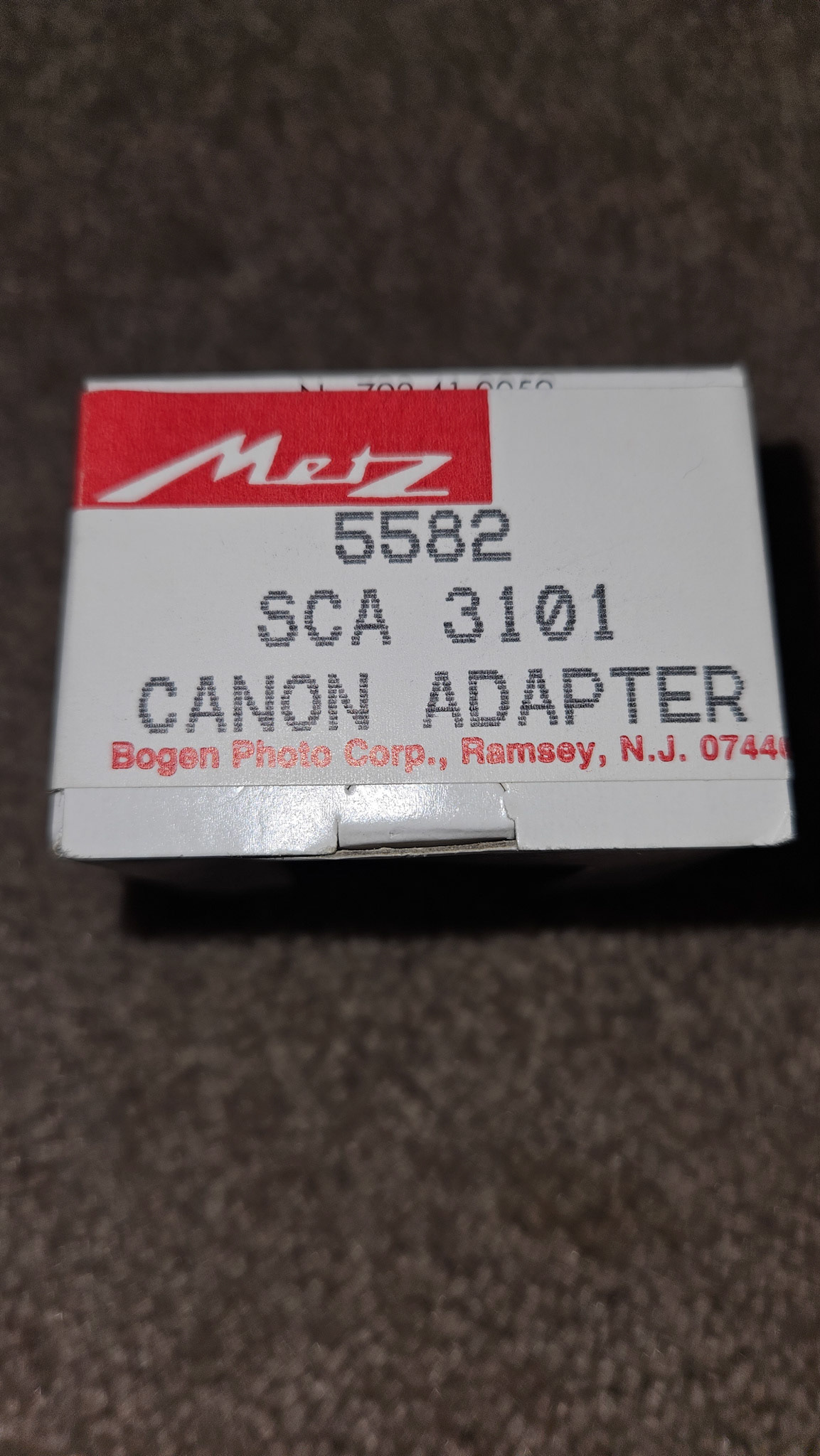
Sunpak CA-3D Hotshoe adaptor Canon EOS 620, 630, 650, 850, 10, 1, 1000
Metz SCA 3401/N Hotshoe adaptor Nikon F4
Sunpak Ne-3d Hotshoe adaptor Nikon f3
Metz SCA 3101 Hotshoe adaptor Canon EOS
Mini Portable Printer
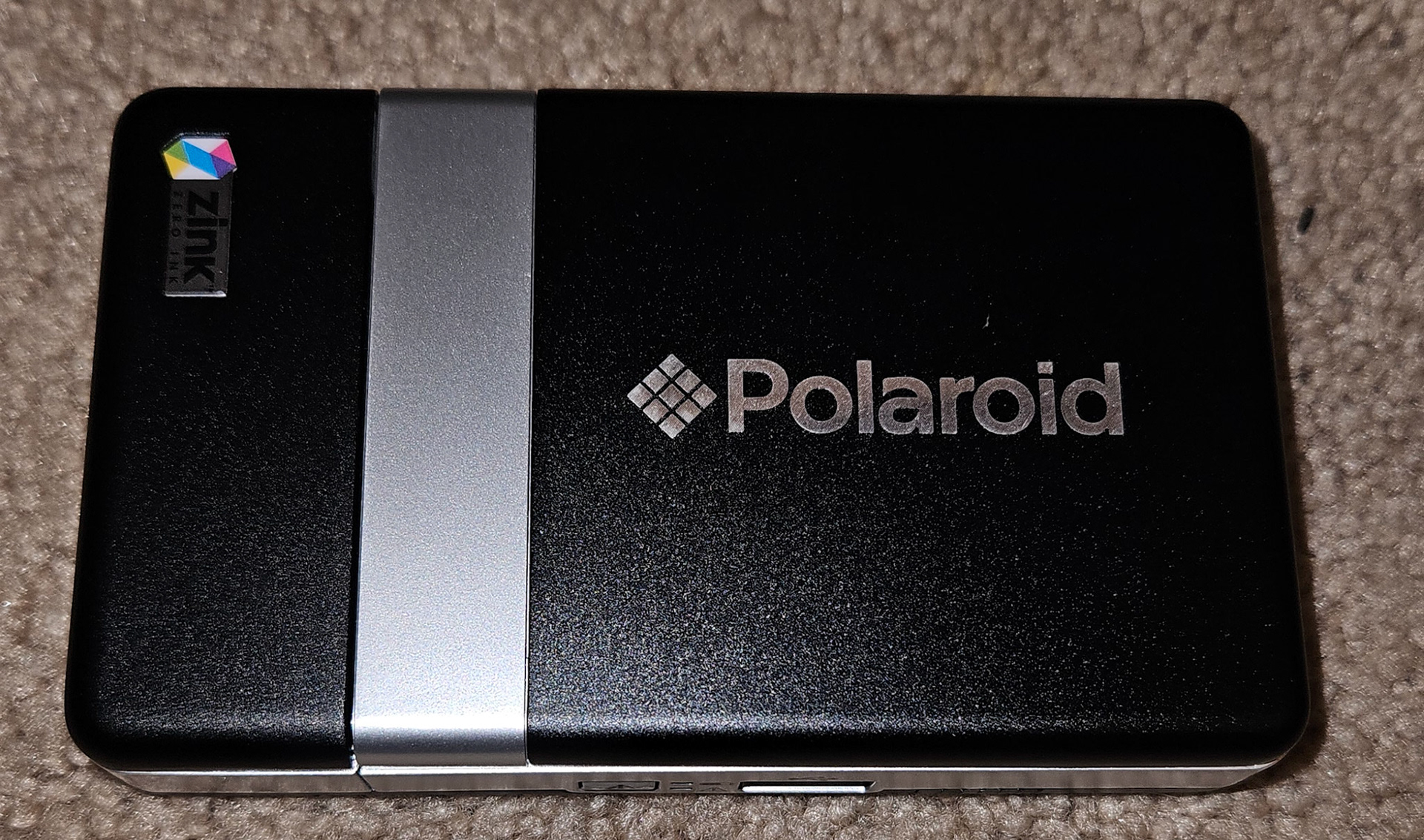
Polaroid’s main mini printer that uses ZINK paper is the Polaroid ZIP Mobile Printer, which makes 2×3 inch sticky‑back prints from a phone over Bluetooth.
Polaroid ZIP basics
Printing tech: ZINK “Zero Ink” thermal process; no cartridges, all dyes are in the paper.
Media: Uses Polaroid 2×3‑inch ZINK Premium Photo Paper—borderless, peel‑off adhesive, smudge‑proof color prints.
Connectivity: Bluetooth (and often NFC) from iOS/Android via the Polaroid app; charging over micro‑USB.